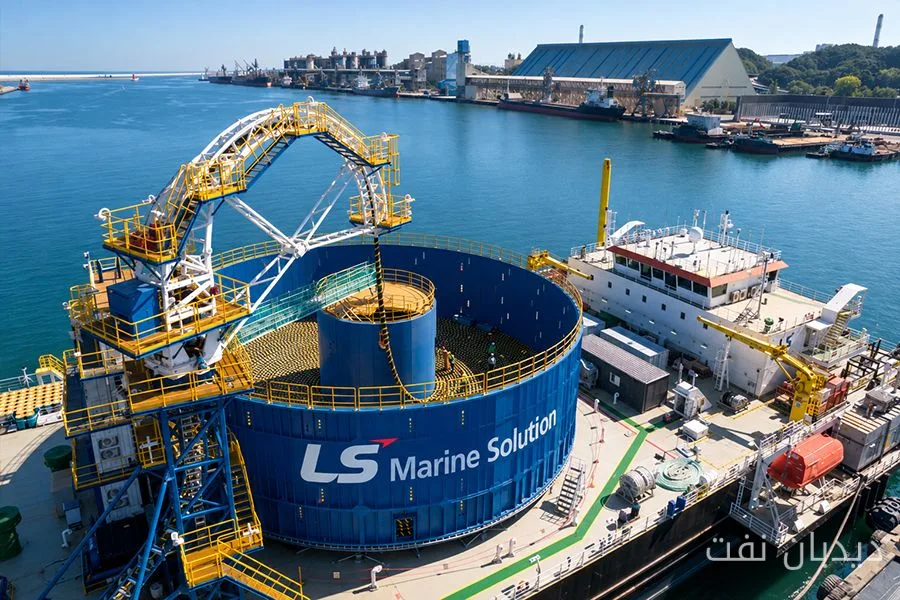
Canada is exploring the possibility of creating an underwater electric cable to Europe for the purpose of exporting its energy, including liquefied natural gas (LNG) and renewable energy. This project, which involves transmitting electricity across the Atlantic Ocean to Northern Europe, could help alleviate pressure on Europe's power grids.
Background and Project Details
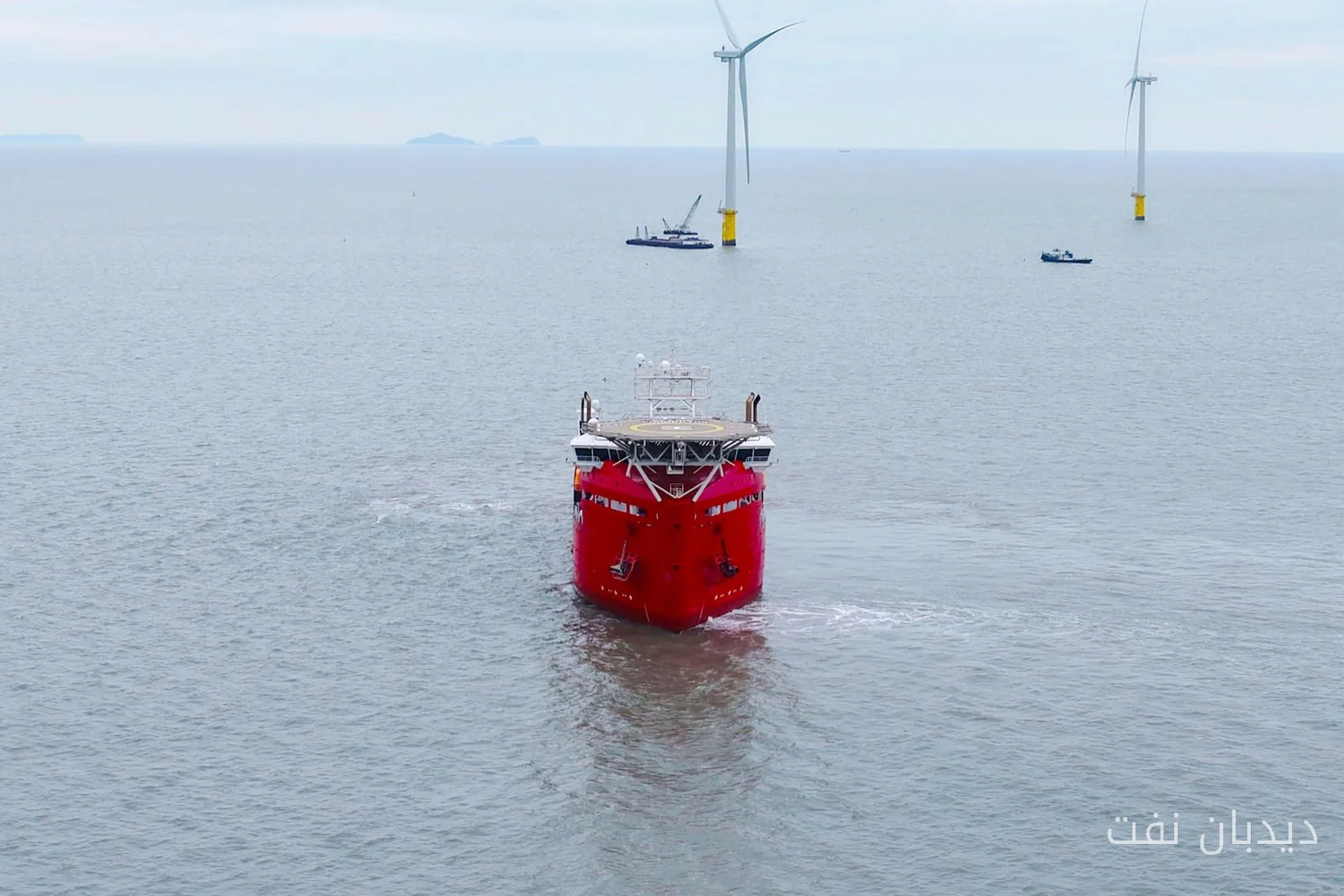
The idea of underwater energy transmission dates back decades and has included underwater pipeline systems for transporting natural gas and oil. While early electric cables were used to send telecommunications signals, modern electric cables transmit electrical energy on a grid scale. These cables are widely used to transfer energy from offshore wind turbines to coastal power grids.
Read more: HD Hyundai and Kiewit's plan to develop a shipbuilding factory on the Gulf Coast
Over the past 15 years, discussions have taken place regarding the transmission of electricity from geothermal sources in Iceland to power grids located in Scotland and England. At this juncture, Canada has begun a study on the potential of its coastal marine energy. Every 24 hours, the moon's gravity pulls several hundred cubic miles of Atlantic Ocean water towards Hudson Bay and the Bay of Fundy, which has the highest tides in the world. Current technology is only capable of converting a small portion of hydrokinetic energy into electrical energy.
Potential and Economic Impacts
Western Europe has faced several hot summers in recent years, with electricity demand exceeding generation capacity. The combination of wind and solar energy in Europe has regularly failed to meet peak summer demand. An underwater electric cable capable of transmitting 20 to 50 megawatts of electrical energy could assist Europe's strained grids and provide additional energy for air conditioning and building cooling systems.
The development of geothermal electrical energy in Iceland, along with underwater cables to Britain and Europe, could serve as a basis for energy transfer from Canada to Greenland and then to Iceland. This underwater cable connecting Iceland to Britain and Europe would need to carry combined electrical energy from Canada and Iceland. In the future, there is potential for a combined transfer of hydro, tidal, wind, and nuclear energy between Canada and Western Europe.
This transatlantic electric cable would benefit the electricity generation economy in both regions, namely Eastern Canada/Northeastern United States and Western Europe. Additional energy produced from wind in an area with low demand could be transferred to a more distant area. This would help nuclear power plants operate at a steady output and transfer non-peak nuclear energy to areas with greater needs.
Read more: ClassNK published a new guidebook for carbon capture systems on ships · Iran's participation in the eighth summit of the Gas Exporting Countries Forum in Moscow