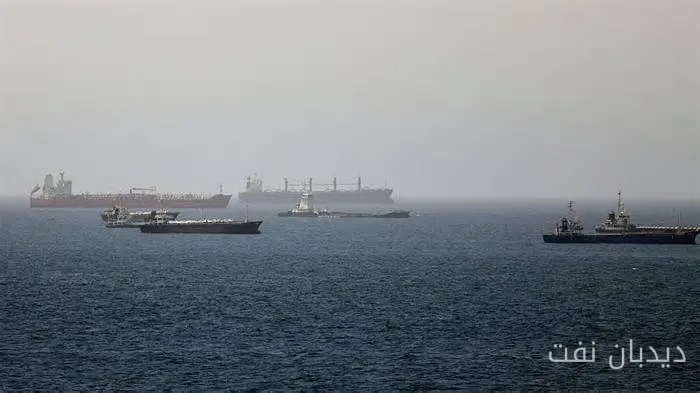
Two oil tankers in the Strait of Hormuz were damaged due to being hit by unknown projectiles. According to received information, the first incident occurred on Friday morning when the captain of one tanker reported that his ship was targeted by an unknown projectile while exiting the Strait of Hormuz, resulting in a minor fire and power outage on the ship. However, the fire was quickly extinguished, and the ship continued on its way.
Second Incident and Crew Status
Several hours later, the UK Maritime Trade Operations reported that another oil tanker was targeted 4 nautical miles east of Oman. The captain of this crude oil tanker also reported that an unknown projectile struck the left side of the ship. Fortunately, in this incident as well, no casualties or environmental consequences have been reported, and all crew members are safe.
Read more: U.S. Propane Exports Reach 2 Million Barrels Per Day
Background of Tensions in the Strait of Hormuz
So far, no entity or group has claimed responsibility for these attacks. Iran claims control over the Strait of Hormuz and considers the use of southern routes by ships near the coast of Oman to be a violation. In recent years, Iran has repeatedly targeted passing ships in these waters with missiles and drones. Meanwhile, U.S. forces, which are enforcing a naval blockade against Iranian ports, are directing commercial ships from other countries to use U.S.-protected routes in the Strait of Hormuz.
Kepler Marine Data Company announced earlier this week that alternative export routes have helped return energy exports from the Gulf to near pre-war levels. These routes include shipping routes from the Red Sea and the Suez Canal, as well as a pipeline in the United Arab Emirates that effectively bypasses the Strait of Hormuz.
According to Kepler, based on weekly averages, approximately 21.8 million barrels of crude oil and petroleum products are transported from this region daily, compared to 23.3 million barrels before the war. Matt Smith, director of commodity market research at Kepler, said, "We are approaching a normal situation. We have not yet reached pre-conflict levels, but we are getting close."
Read more: Inpex Acquires 50% Stake in Two Exploration Blocks Off the Coast of Indonesia · Decrease in Pressure in the Shipping Industry and Increase in Transit Capacity in the Panama Canal



