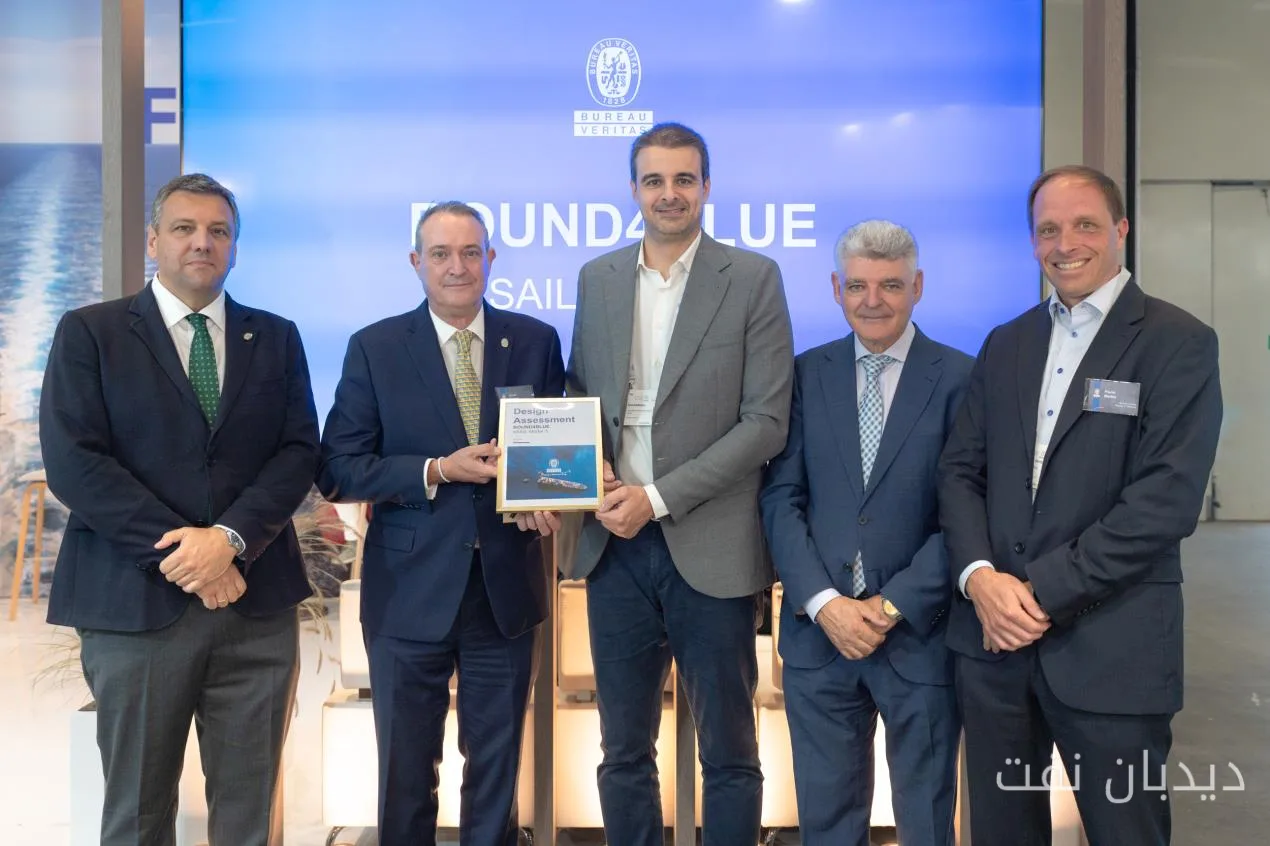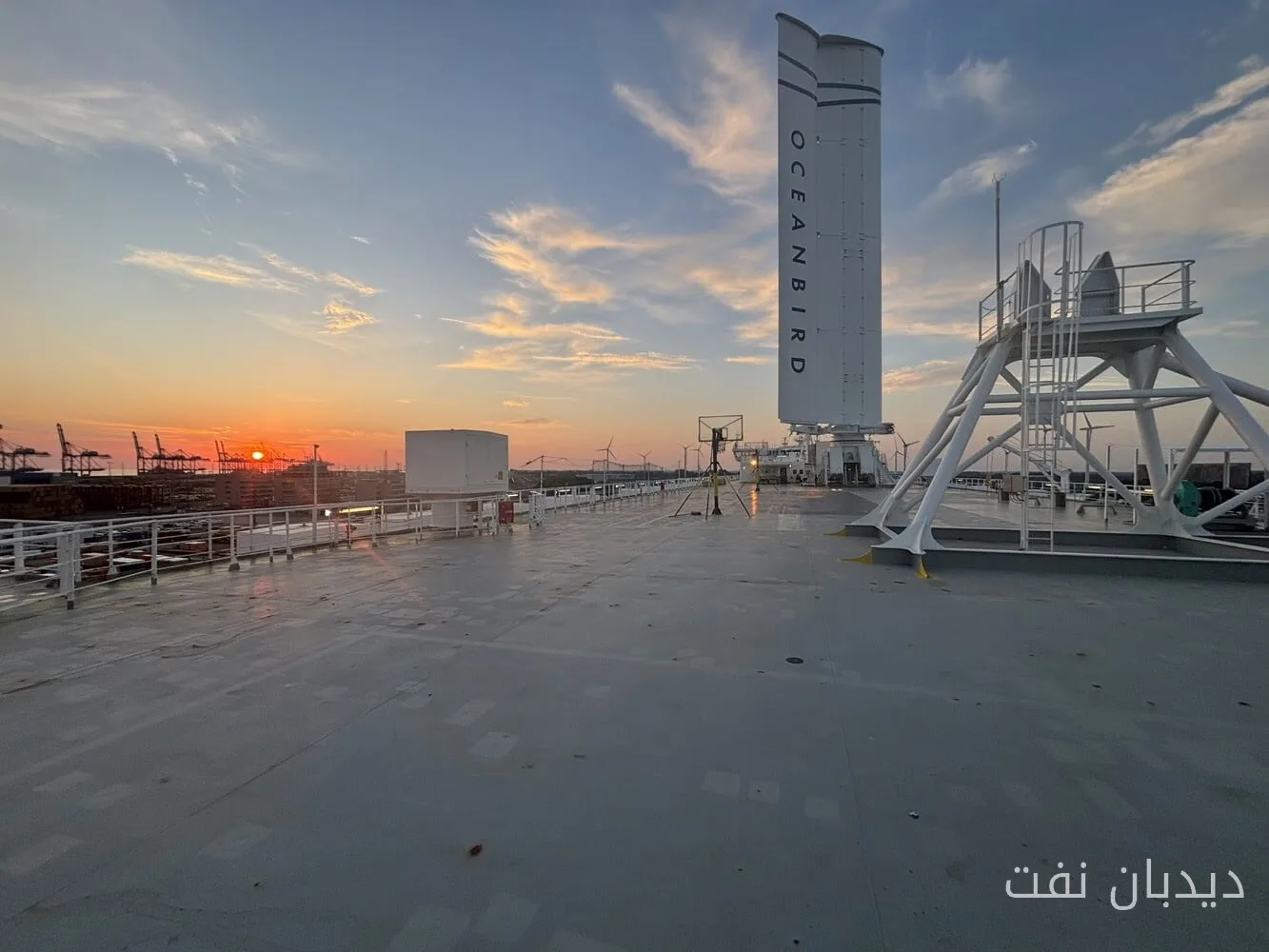
Amrit Bola, CEO of Oceanbird, recently spoke in an engaging interview about the challenges and new opportunities in the maritime industry. He highlighted the key role of wind-assisted technologies in reducing ship fuel costs and emphasized the importance of these innovations for the future of the industry.
Impact of Wind-Assisted Technologies
With rising fuel prices and environmental pressures, shipbuilders are looking for solutions to reduce fuel consumption. Bola states: "Wind-assisted technologies are among the most promising options for reducing maritime fuel costs. At Oceanbird, we are striving to implement these technologies more broadly in the industry."
He also points out that the production and use of ships equipped with these technologies not only help reduce operational costs but also contribute to environmental preservation. Given the growing trend of climate change, the maritime industry must move towards sustainable technologies.
Future Outlook
Amrit Bola looks to the future with optimism, saying: "At Oceanbird, we aim to change the maritime industry's perspective on energy resources. By harnessing wind power, we can move towards a greener future. This is not only beneficial for the environment but also for the global economy."
He emphasizes that international efforts to reduce pollution from various industries require global cooperation and investment in new technologies, which are key to success in this endeavor. Bola advises other companies to take the lead in this area and capitalize on new opportunities.