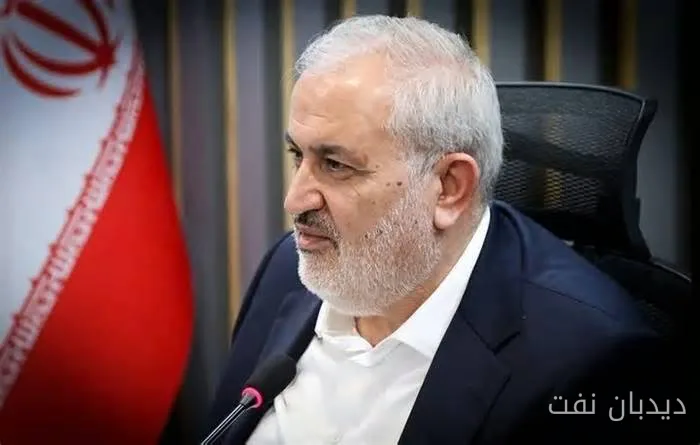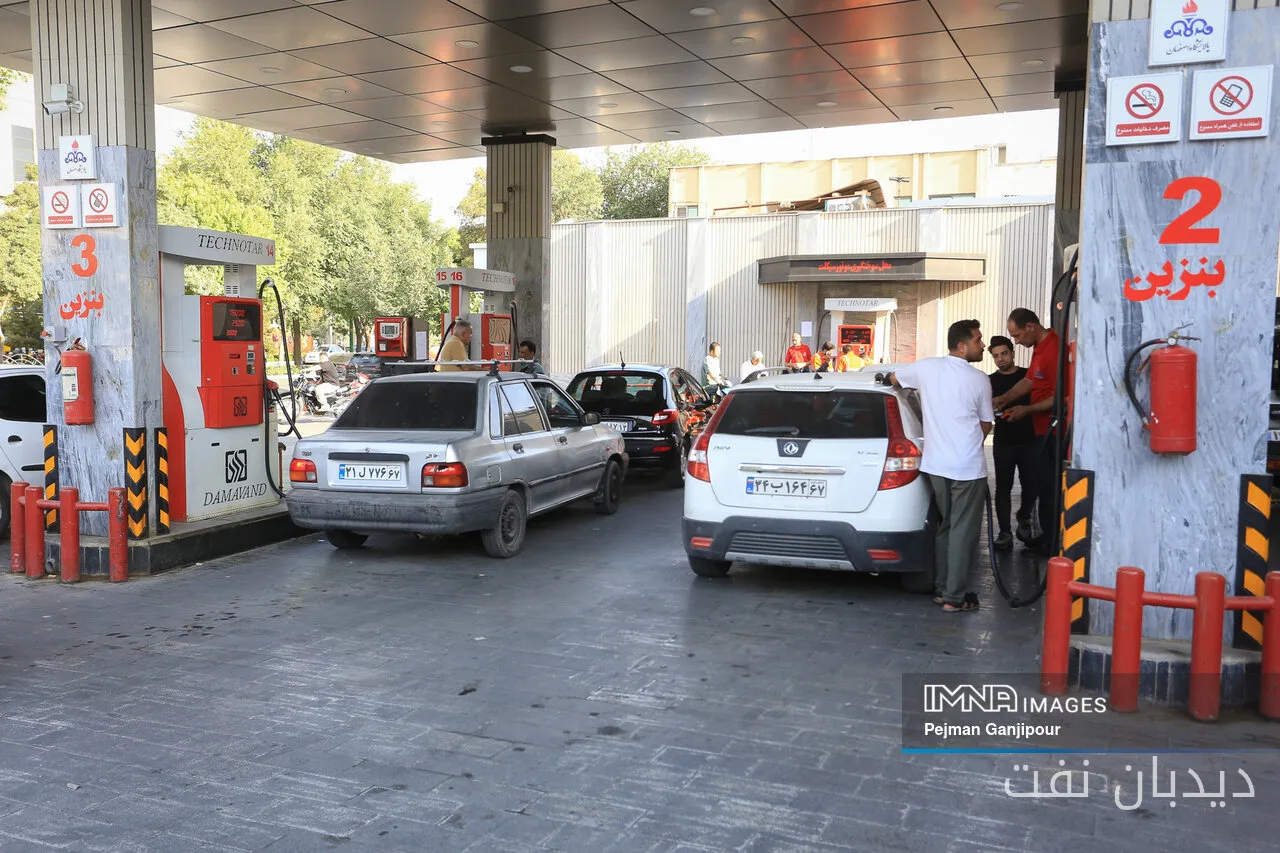
Ahmad Janjan, a prominent economist, reacted to the third increase in gasoline prices to 10,000 tomans, highlighting important points about the current state of the energy and automotive market in the country. He criticizes this decision, believing that merely increasing gasoline prices cannot solve the imbalance crisis and requires a more comprehensive approach.
Need for Reform in Vehicle Structures
Janjan emphasizes that fuel-inefficient vehicles should have a lower economic value to create an incentive for reducing energy consumption. This economist points out that simply increasing gasoline prices will not solve the problems and refers to the necessity of reforming the economic structure and changing the approach to vehicle production. According to him, without these reforms, the increase in gasoline prices will only impose a greater financial burden on the people.
Future Outlook
Ahmad Janjan also mentions other challenges that will arise following the increase in gasoline prices. He believes that this decision could lead to an increase in the prices of other goods and services, consequently putting more pressure on the low-income segment of society. Therefore, reforming gasoline prices must be accompanied by supportive measures and necessary actions to prevent price increases in other sectors.
Moreover, he emphasizes that policymakers should carefully examine the consequences of this decision and act based on precise analyses of the country's economic situation. Otherwise, public dissatisfaction and social crises may rapidly escalate.