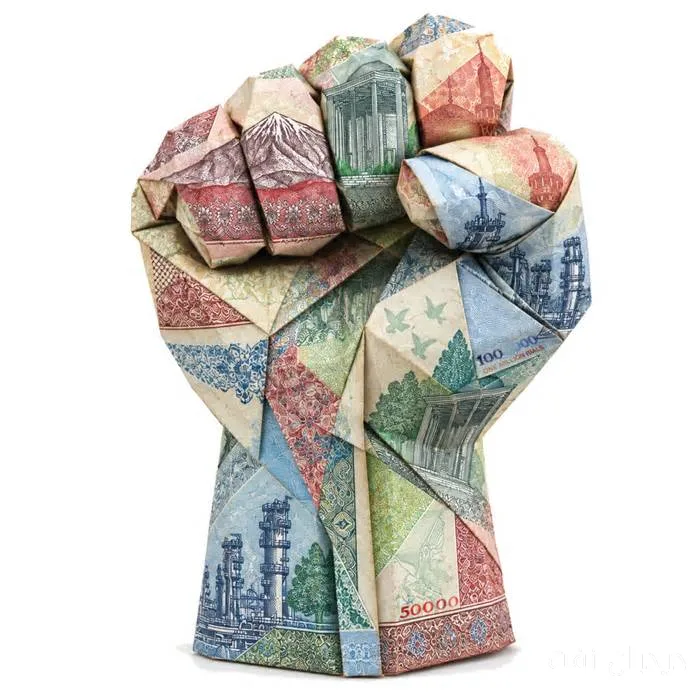
Abdolnaser Hemmati, the Governor of the Central Bank, addressed the resilience of Iran's economy at the annual meeting of the International Monetary Fund in Bangkok. He emphasized that the claim of the country's economic collapse is nothing more than an illusion, and this resilience stems from a combination of internal capacities, economic diversity, and the adaptability of enterprises to the current conditions.
The Role of the Domestic Market in Economic Stability
The domestic market of Iran serves as a support for production and employment, playing a significant role in maintaining economic activities. A substantial portion of production units and small businesses offer their products and services to domestic consumers. This feature allows the economy to continue part of its activities based on domestic demand and not solely rely on foreign trade. Producers adapt to market conditions by adjusting their product mix and changing their supply methods. The extensive network of small and medium enterprises and skilled human resources also creates another capacity for maintaining the flow of economic activity.
Read more: India's Natural Gas Demand Decreases by 1.5 Million Tons in 2026
Economic Diversity and Its Impact on Resilience
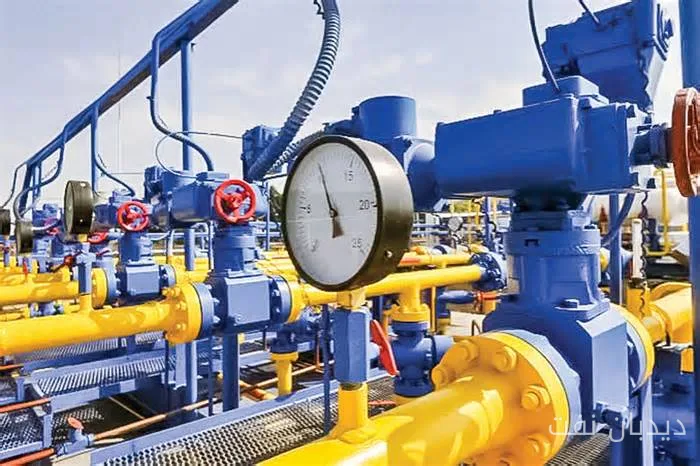
One of the key factors in the resilience of Iran's economy is the presence of diverse production and service sectors. Although oil and gas play a significant role in providing foreign exchange revenues, this sector alone cannot cover the entire economy of the country. Agriculture, food industries, consumer goods production, metal industries, and petrochemicals all meet part of the domestic needs. This diversity means that limitations in one sector do not equate to a halt in all economic activities.
Moreover, the continuity of banking services and the provision of essential needs for economic activity are not limited to factories and production units. The payment and distribution network is also considered an important component of economic stability. Hemmati emphasized the continuity of banking services and the payment system, ensuring foreign exchange for essential goods and medicines, and declared maintaining financial stability as one of the priorities of the Central Bank.
Iran's long experience in dealing with sanctions has enabled economic enterprises to adapt their methods of sourcing raw materials and selling their products to new conditions. In some industries, producers have turned to local manufacturing of parts and using alternative suppliers. This experience shows that a part of Iran's economy has been able to find practical solutions to external limitations.
Iran possesses natural resources, mineral reserves, and industrial capacities that can become the engine for a return to growth. Petrochemical industries, metals, agricultural products, and industrial goods can play a significant role in export development and generating foreign exchange income if the right trade and financing conditions are provided. Improving transportation infrastructure and reducing production barriers are also among the key factors in effectively utilizing these capacities.
Read more: IMF Forecast: Iran's Economy Will Face a 7.6% Decline in 2026 · Separate Talks Between Iran and the USA Mediated by Qatar in New York