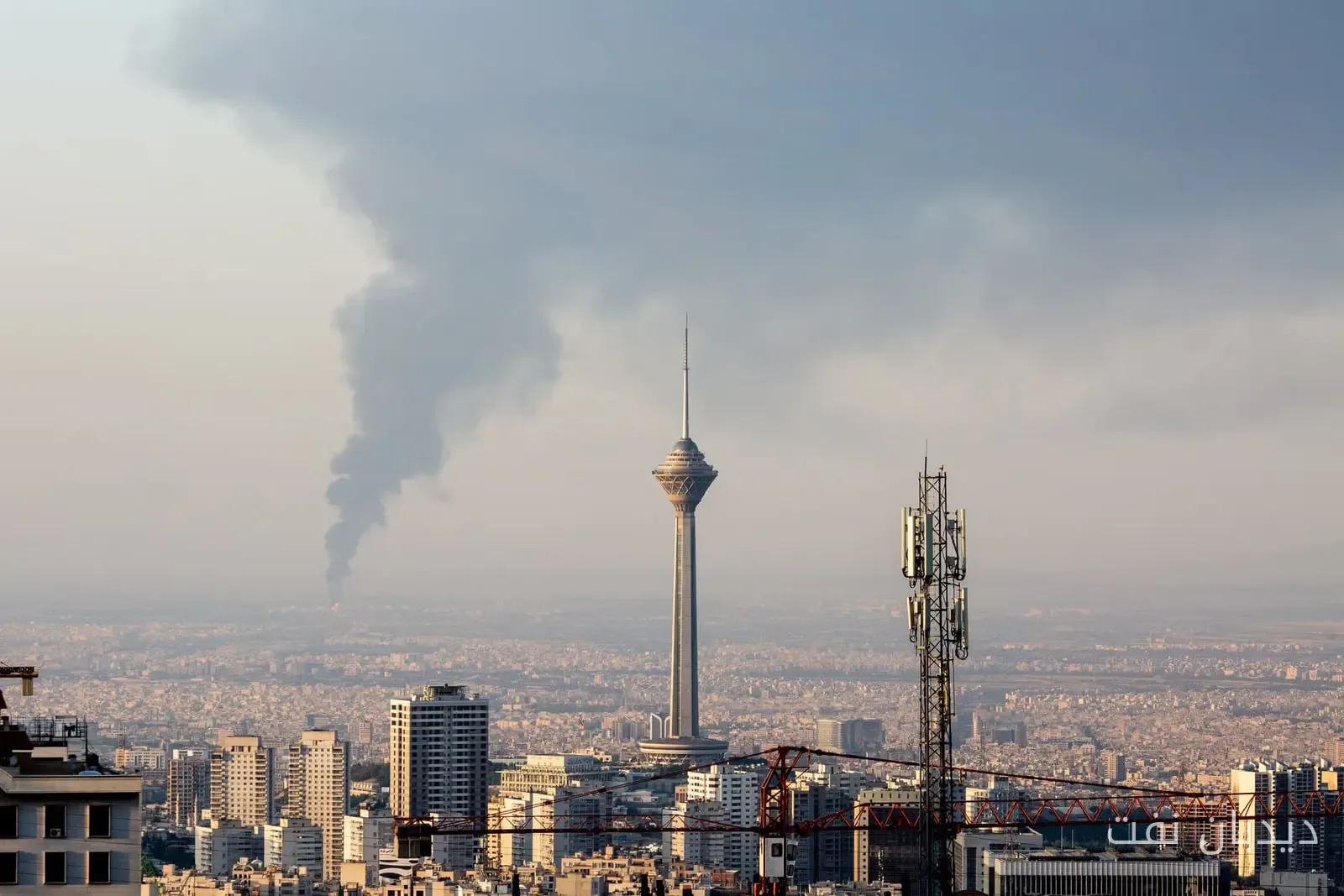
The International Monetary Fund has predicted that Iran's economy will not only fail to experience positive growth in 2026 but will instead face a 7.6% decline. This forecast indicates that the real value of goods and services produced in the country will decrease compared to previous years.
Iran's Economic Conditions Compared to the World
While the economies of other countries are growing, Iran's economic situation is severely affected by recent crises and wars. It is expected that the global economy will grow by 3.1% in 2026, while Iran's economy will face a significant decline due to factors such as intensified sanctions and military conflicts.
Read more: Qatar's Emir: The Current Crisis is an Opportunity to Reduce Dependency on Oil and Gas
This severe decline, compared to the 9.8% drop in 1986, when Iran was in the midst of an eight-year war with Iraq, paints a grim picture of Iran's economic crisis. In recent years, oil and banking sanctions, especially in 2012 and 2018, have also led to economic downturns, but the severity of these crises has not been as significant as the new forecast from the International Monetary Fund.
Determinants of Economic Collapse
The International Monetary Fund has pointed to various factors that have led to this negative forecast. These factors include the resumption of military conflicts, intensified maritime blockades, and sanctions, all of which are considered serious obstacles to economic growth. In this context, the closure of the Strait of Hormuz could cut off the most critical revenue route for countries.
Moreover, it is expected that Iran's economy will end in 2026 with an inflation rate of 78.6%, which means rapid price increases while production and economic activities are declining. This situation will not only lead to a decrease in public welfare and make it harder for businesses to operate, but it will also severely impact job opportunities.
Ultimately, the International Monetary Fund has predicted that in 2027, Iran's economy may experience a 3.6% growth, but this growth cannot compensate for the losses incurred from the collapse in 2026. In other words, even if economic conditions improve in the coming years, Iran's economy will still be smaller compared to previous years.
Read more: Deputy Minister of Industry: Managing Energy Imbalance in the Second Half of the Year is Essential · Complete Exit of OCM Njord from Torm with Sale of 6.17% Shares