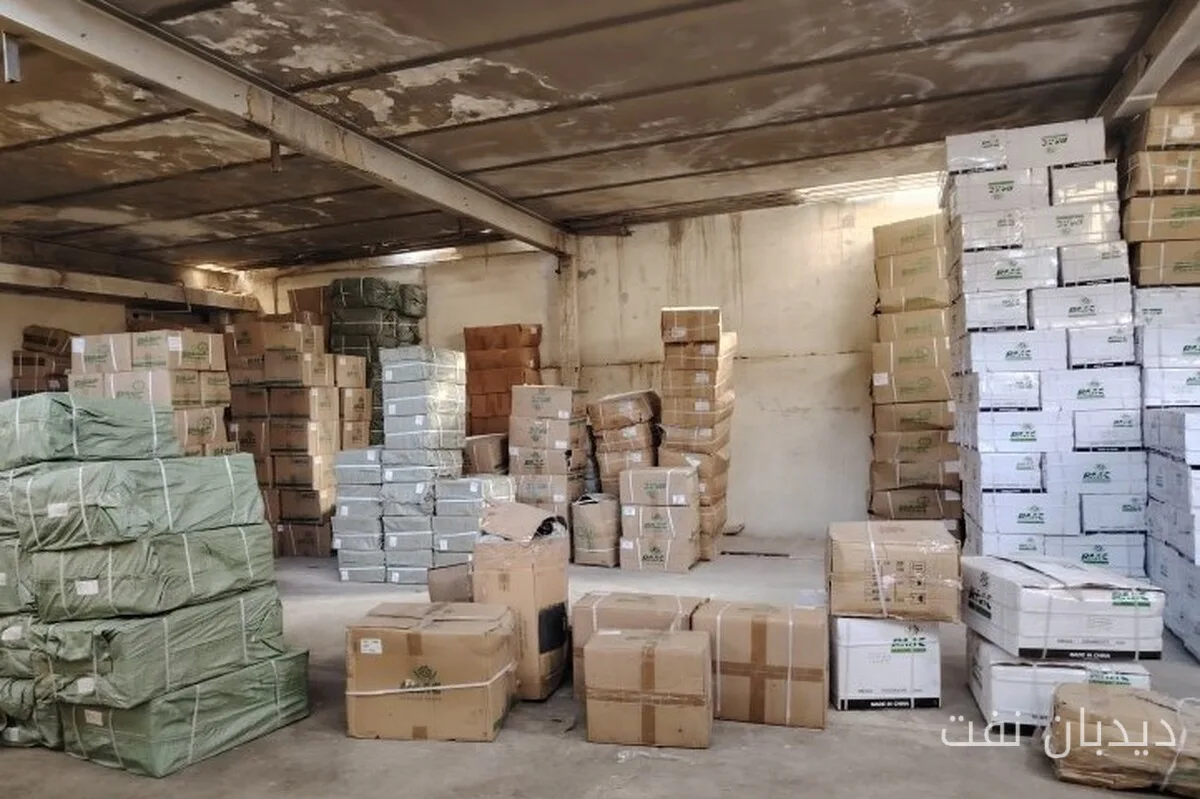
Brigadier General Hossein Rahimi, head of the Economic Security Police of the Law Enforcement Force, announced a 45% increase in the seizures of hoarded essential goods during a meeting with industrialists and entrepreneurs alongside judicial and executive officials. This increase has been achieved following the establishment of a joint action headquarters and collaboration among relevant agencies to combat smuggling and hoarding of essential goods in the context of an economic war.
Seizures and Currency Cases
Rahimi pointed out that approximately 1,100 cases related to currency commitments have been addressed, stating: As a result of these actions, more than 4.8 billion euros of currency commitments have been fulfilled. These cases demonstrate the police's efforts to improve the economic situation of the country and prevent economic corruption.
Read more: Delay in Unemployment Insurance Payments is Concerning
Preventing Goods from Accumulating and Accelerating Distribution
The head of the Economic Security Police also referred to the agency's efforts to expedite the transfer of imported goods from customs to the interior of the country, emphasizing: Preventing goods from accumulating and accelerating their distribution, especially in sensitive economic conditions, is a priority for the Economic Security Police.
He also warned individuals who hoard and fail to supply goods needed by the public, stressing: Legal and decisive action against disruptors of the economic system, smugglers, and hoarders is among the duties of this agency. Brigadier General Rahimi urged the public to report economic violations, including smuggling of goods and fuel, livestock smuggling, hoarding of essential goods and medicines, money laundering, and land grabbing to the police. The number 30110 is available 24/7 to receive public reports about crimes and violations.
Supporting Economic Activists and Utilizing Modern Technologies
The head of the Economic Security Police emphasized support for economic activists, stating that the police's initial approach to monitoring economic activities is supportive and facilitative. He also highlighted the necessity of police cooperation with the private sector, stating: Synergy among executive agencies, supervisory institutions, and economic activists can help resolve producers' problems and improve the business environment.
Rahimi discussed the connection of economic systems, including warehouse systems, to the police, stating: According to laws related to combating smuggling of goods and currency, information from economic systems must be made available to the police, and there is no legal barrier in this regard. The use of modern technologies in monitoring economic activities was another point he emphasized, noting that traditional and manual methods do not meet the needs of oversight.
Read more: International Monetary Fund: Severe Decline in Income of Iraq, Kuwait, and Qatar Due to Economic Disruptions · Strait of Hormuz and America's Energy Dependence on Transit Oil



