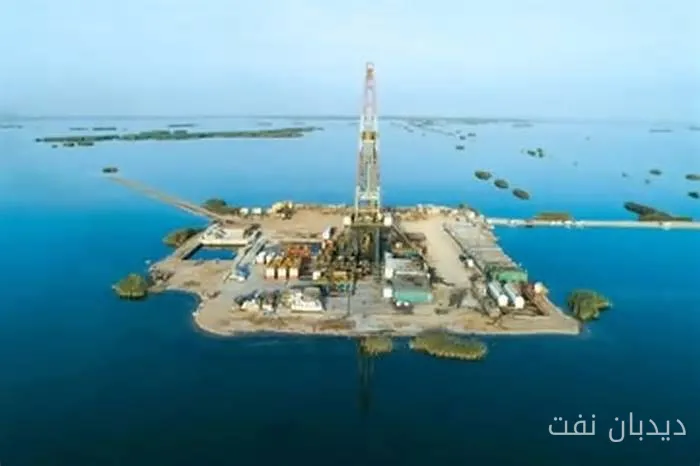
The 400 million cubic meters gas imbalance in the country has become a serious challenge. This issue is particularly notable following incorrect energy distribution policies and the failure to timely develop joint fields in recent years. This situation has caused significant damage to the country's infrastructure and has directly impacted the daily lives of the people.
Factors Affecting Gas Imbalance
A former member of the Energy Commission of the Parliament, in analyzing this issue, examines the causes of the gas imbalance and emphasizes that the lack of attention to the development of joint fields and incorrect distribution policies are among the effective factors in the emergence of this situation. Especially in joint fields with neighboring countries, such as Iraq and Saudi Arabia, there is intense competition that requires appropriate and timely responses.
Read more: Iran's seven-day proposal includes lifting oil sanctions and reopening Hormuz
Consequences of Gas Imbalance
This imbalance not only affects the supply of gas needed by the country but also creates serious problems in energy supply for industries and households. Furthermore, this situation can lead to economic and social repercussions, ultimately resulting in a decrease in the quality of life for people and an increase in public dissatisfaction.
Moreover, the failure to optimally develop joint fields can reduce the country's competitive power in global markets. In this regard, adopting appropriate policies and precise planning for the development of these fields is essential.
Read more: Gholamhossein Soltani Mohammadi: Iran ranks 17th in flower and plant production and 107th in exports · Reduction of 230 million cubic meters in gas production capacity in the north of the country