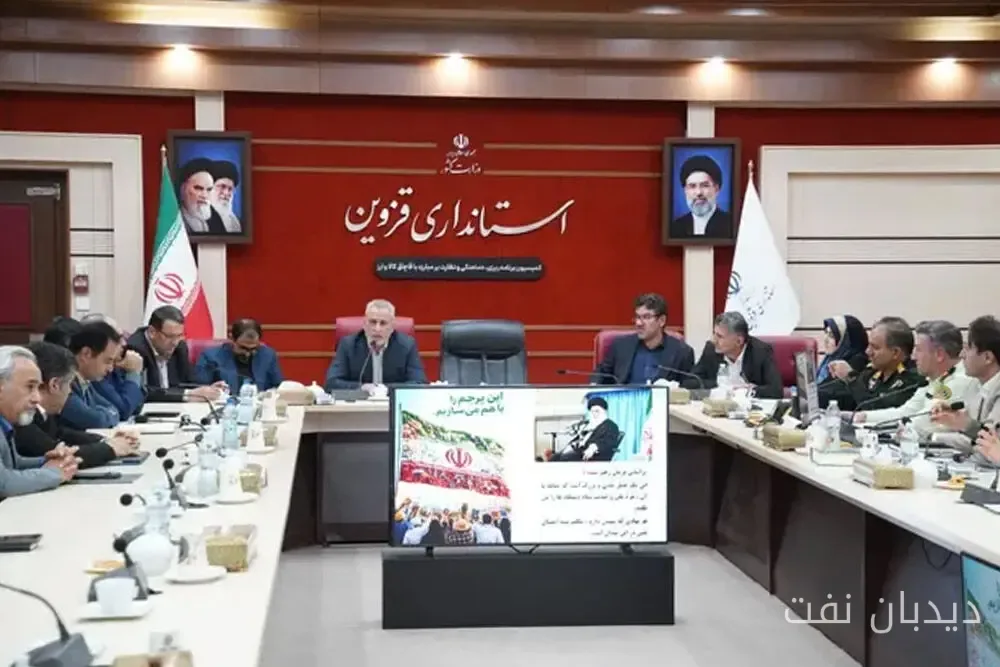
The 3% increase in gasoline consumption in Qazvin province compared to the same period last year has raised concerns about fuel smuggling and consumption management. In the second meeting of the Planning, Coordination, and Supervision Commission for Combating Goods and Currency Smuggling in the province, the status of petroleum product consumption and strategies to combat fuel smuggling were discussed.
Fuel Rationing and Consumption Control
Seyed Kiumars Kamalyar, the director of the National Iranian Oil Products Distribution Company in Qazvin, referred to the increase in gasoline consumption during this meeting and stated: "The majority of diesel consumption is dedicated to the transportation sector, followed by agriculture with a 17% share and the Ministry of Industry, Mine and Trade with a 7% share in subsequent ranks of consumption." These statements indicate that, given the increase in fuel consumption, monitoring the distribution and allocation of quotas, especially in the transportation and agriculture sectors, is of special importance.
Read more: Qazvin Deputy Governor: Combating Fuel Smuggling is a Serious Agenda for the Province
Possibility of Fuel Smuggling through Fake Transportation
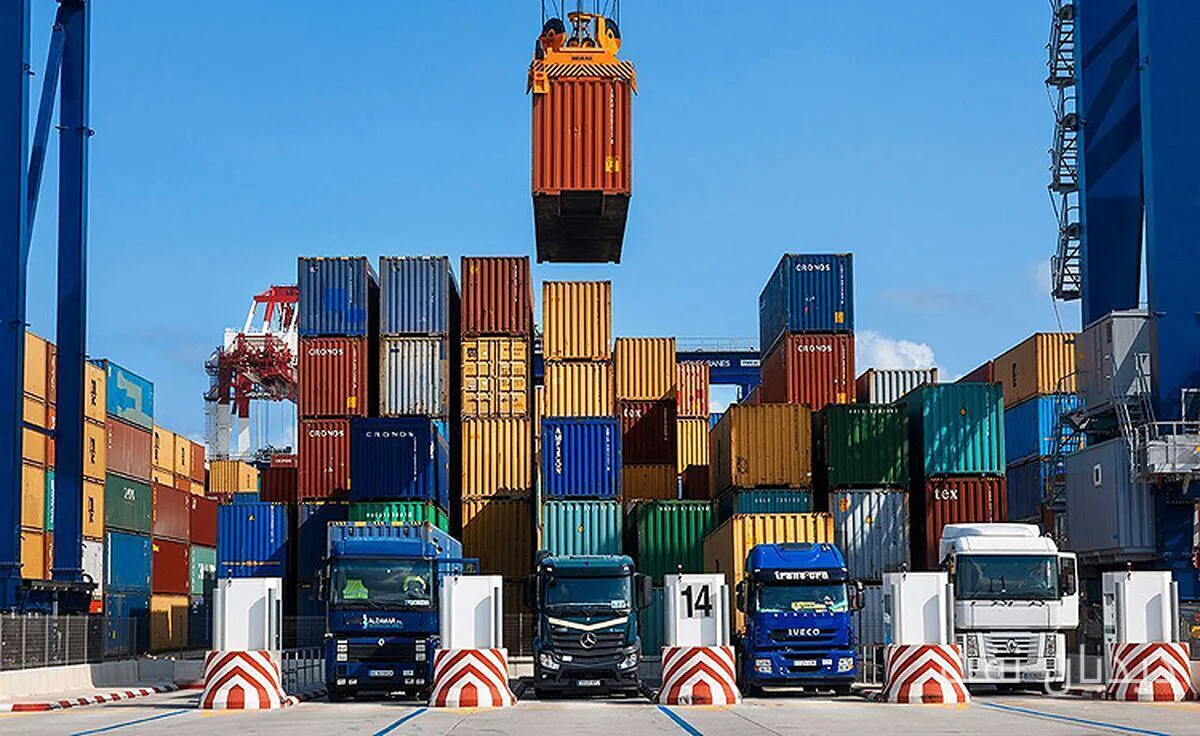
Colonel Hossein Fathizadeh, head of the Economic Security Police, referred to the issue of fuel smuggling through fake transportation companies during this meeting. He emphasized that smartening the transportation fleet can help identify smuggling cases. Controlling the allocation of fuel quotas and matching consumption levels with the actual activities of the fleet are also key areas of supervision over the distribution chain of petroleum products.
Shahram Ahmadpour, the political and security deputy of the Qazvin governorate, further emphasized the necessity of consumption management and cooperation among responsible agencies, warning that if fuel consumption is not controlled, we will witness price increases. He stated: "All agencies must control this space." These statements highlight the importance of coordination among executive, police, and supervisory agencies for managing fuel consumption.
Formation of Joint Supervisory Teams
Mostafa Taherkhani, secretary of the planning and supervision for combating goods and currency smuggling, announced the formation of joint supervisory teams to visit production, agricultural, and industrial units. He stressed the necessity of monitoring the consumption of petroleum products and noted that managers must consider the realities of consumption and the operational needs of the units when allocating quotas.
This meeting also highlighted the necessity of registering stored goods in the warehouse system. Producers and industrial owners are required to register and introduce their stored goods in the relevant system; otherwise, unregistered goods may be subject to legal scrutiny.
Overall, the increase in gasoline consumption in Qazvin province and warnings about fuel smuggling have once again underscored the necessity of coordination among executive and supervisory agencies. This cooperation, especially in controlling actual consumption and continuous monitoring of the distribution chain of petroleum products, can be effective.
Read more: Boloda has reached an agreement to purchase the Icelandic shipping company · Farzad Dadkhah emphasized the need to develop smart monitoring to combat fuel smuggling