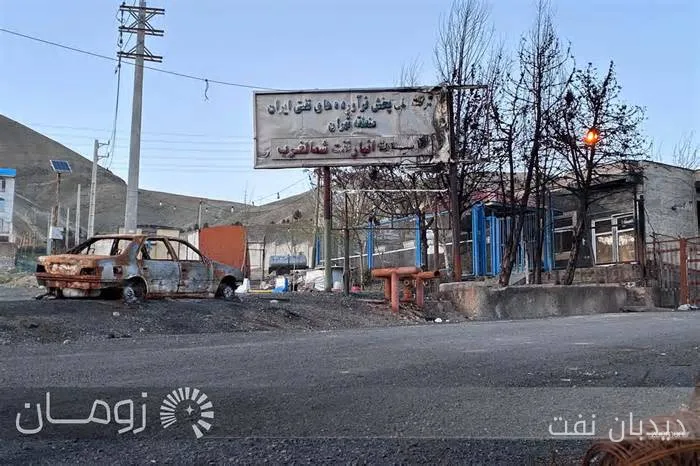
Iran's economy has encountered serious problems in Spring 2026, particularly the oil and gas sector, which has borne the brunt of this crisis. Oil production during this period has faced a 26.4% decline, severely impacted by war and port blockades. Analyses indicate that transportation restrictions and damage to infrastructure could be significant factors in this sharp production decrease.
Deep Economic Recession
According to data from the Statistical Center of Iran, the country's economy recorded its most severe negative growth since the early 2010s, with a 10.1% decline in Spring 2026. This recession is even deeper than during the COVID-19 pandemic and the years of sanctions, and excluding the oil sector, the economy has contracted by 4.6%. This situation reflects serious challenges across all economic sectors in the country.
Read more: Marine revenues reach historic highs due to sanctions
Factors Affecting Oil Production Decline
The 26.4% decrease in the oil and gas sector clearly indicates the negative impacts of war, port blockades, and disruptions in maritime trade. The timing of this decline with ongoing crises suggests that structural and infrastructural factors have also exacerbated this reduction. Additionally, other economic sectors, including construction, have faced production declines, indicating the depth of the crisis in Iran's economy.
Overall, the negative effects of the war have not been limited to oil and gas but have spread to other economic sectors as well. This situation may indicate an urgent need for economic and infrastructural reforms so that the country can navigate through this crisis and move towards recovery.
Read more: Transformation in the decision-making chain to control gasoline imbalance is essential · Gholamhossein Soltan Mohammadi: Iran ranks 17th in flower and plant production and 107th in exports