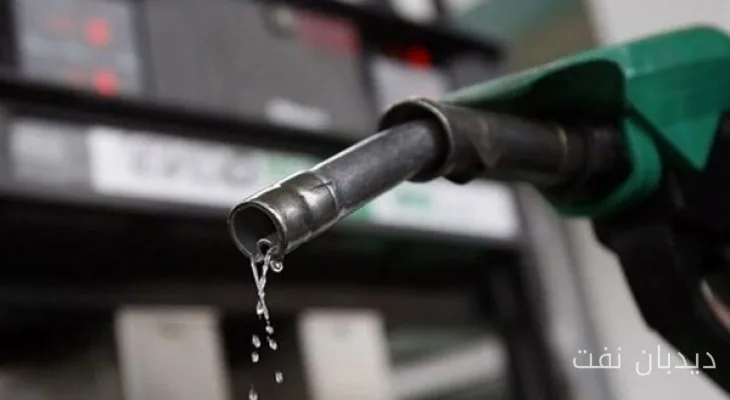
The unprecedented increase in daily gasoline consumption and alarming records in the energy sector have once again placed the issue of petroleum product imbalance at the forefront of economic discussions and policymaking in the country. This issue, especially during peak travel seasons and with intensified imbalances in refineries, becomes the headline in the media. However, the approach to this fundamental challenge has often been limited to a reductionist duality, where the entire burden of changing consumption patterns is placed on citizens.
Structural Challenges in Energy Consumption
An examination of the energy consumption structure in personal transportation shows that the quality of the vehicle fleet in circulation is the main factor in fuel wastage. Domestic vehicles, due to reliance on outdated platforms and obsolete technologies, have a consumption average significantly higher than global standards. While the average fuel consumption of modern vehicles in developed countries has reached 4 to 5 liters per 100 kilometers, many high-production domestic vehicles consume between 8 to 12 liters of gasoline under real conditions.
Read more: Shubprit Singh appointed as CEO of V.Ships
Farhad Nourizadeh, an energy expert, emphasizes that demanding reduced consumption from drivers sitting behind the wheel of inefficient vehicles ignores technical realities. Automakers have delayed productivity enhancement programs in recent years, leading to high gasoline consumption and imbalance in the country's energy balance.
Status of Public Transportation Fleet
The status of the public transportation fleet and urban development network has also exacerbated these issues. The imbalance between the physical expansion of cities and the coverage of efficient public transportation systems has pushed citizens to use personal vehicles. When the intervals between metro trains are long and bus lines are facing deterioration, the use of personal cars becomes a necessity.
This situation indicates that municipalities and urban management entities, in coordination with the government, must take action to optimize energy consumption. Additionally, macro-executive policies in the energy sector and diversification of the fuel mix must be considered to reduce the demand burden for gasoline.
Read more: Expansion of Kodiak Base by the U.S. Coast Guard with a $300 million investment · Record diesel prices in Europe and the U.S. intensified the energy crisis