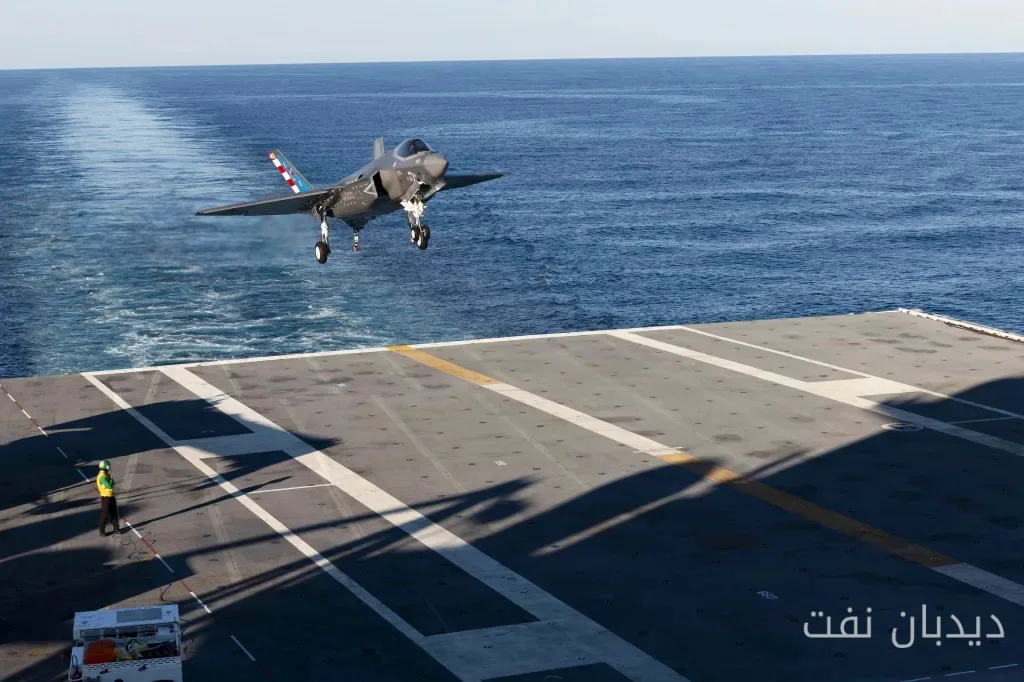
The USS John F. Kennedy (USS John F. Kennedy) on Tuesday, October 14, 2026, successfully landed the stealth fighter F-35 on its deck for the first time. This landing is an important milestone in the progress of preparing this carrier, and it is expected to be commissioned in the second half of next year.
Execution and New Technologies
The John F. Kennedy also conducted the first flight of the F-35 fighter using its electromagnetic catapult system, which enables the carrier to launch aircraft quickly and effectively. This carrier is the second in its class and the first carrier to have all the necessary specific features to support the F-35C fighter in missions.
Read more: Blocker Energy Purchases First Shipment of Uranium
Recent Advances and Challenges
In September, the John F. Kennedy team was still completing tests on four advanced weapon elevators of the carrier. This system, designed to transfer munitions between lower decks, storage, and the main deck, is faster than previous designs, but significant reliability challenges were encountered during the preparation process of the first-class carrier, USS Gerald R. Ford. The U.S. Navy believes that lessons learned from the Ford carrier experience will expedite the preparation process of the John F. Kennedy.
Meanwhile, the third Ford-class carrier, USS Enterprise (CVN-80), has also faced delays, and its delivery date has now been postponed to 2030. The timeline for the fourth carrier, CVN-81, is uncertain and partly depends on executive decisions. The White House has issued an order to review the installation of steam catapults and hydraulic elevators on CVN-81. Given that the steel for this carrier has already been cut, changes may lead to significant delays.
Kristi Kasten, CEO of Huntington Ingalls Industries, said in the Mission Critical podcast, "This is a significant effort to change the design to steam catapults. This change will significantly delay the carrier's schedule and will incur substantial costs that we need to account for with the Navy."
Read more: Powercell Group Expands Cooperation with GMI Group to Four Cargo Ships · Anduril Invests $6.6 Billion to Establish Submarine Manufacturing Plant