PowerCell Group has received a new order worth 27 million Swedish kronor (2.69 million dollars) from GMI Group to supply fuel cell systems for two additional hydrogen cargo ships. This order expands the collaboration from two to four ships and represents the transition of zero-emission marine technology from single-ship projects to the deployment of standardized fleets.
Details of the New Order
The new order includes 10 units of Marine System 225, which provides over 2 megawatts of power, with delivery planned for the years 2027 to 2028. This collaboration follows the initial order in September 2025, and ultimately PowerCell Group will supply 24 units of Marine System 225 for four ships, equivalent to 5.4 megawatts of installed fuel cell power.
Development of a New Generation of Hydrogen Cargo Ships
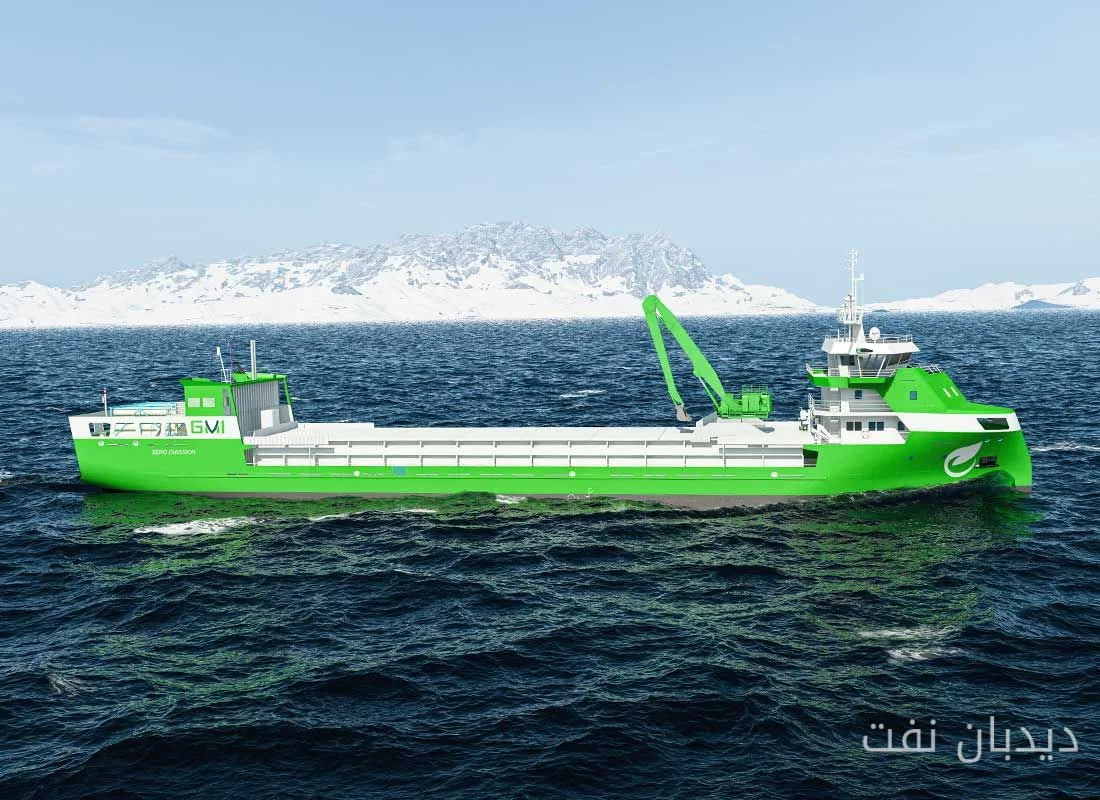
GMI Group is developing a new generation of cargo ships that use compressed renewable hydrogen to generate onboard electricity through fuel cells. The two initial ships are 85 meters long and have a deadweight capacity of 4000 tons, scheduled to be launched in 2027. Additional ships will each have a deadweight capacity of 3000 tons and will be built at Chowgule Shipyard.
PowerCell Group emphasizes that reusing the same fuel cell platform allows for the direct application of engineering experience, certification, and integration derived from the initial ships for subsequent deliveries. Additionally, eCap Marine, a German ship integrator specializing in green power solutions, will manage the integration and certification of the ship level.
By emphasizing that the new order strengthens the Marine System 225 as a common platform for large marine installations, PowerCell Group has pointed to its progress from individual ship projects to repeated fleet deliveries. GMI Group, expressing confidence in this solution and the collaborations established in the initial project, will continue to develop the new generation of cargo ships powered by renewable hydrogen.
Read more: Development of Supply Chain Systems in Tsunishi with Artificial Intelligence · 38% Increase in Floating Offshore Wind Energy Capacity in the Last Year