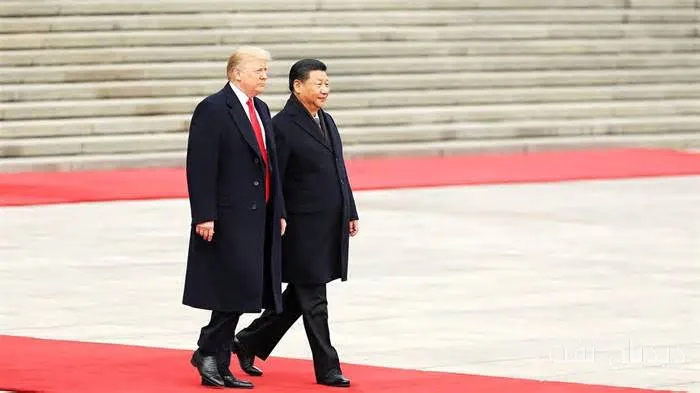
Donald Trump, the President of the United States, and Xi Jinping, the President of China, are set to meet on September 24 in Washington. This is the second meeting of the leaders of the two countries this year and comes at a time when Washington-Beijing relations are influenced by various disputes, including the issue of Iran.
Key Topics of Negotiation
In this meeting, one of the main focuses of the negotiations will be China's role in relations with Iran and its impact on the oil market. As the largest buyer of Iranian oil, China can play a significant role in managing tensions between Iran and the United States. Trump is trying to use China's close ties with Tehran as leverage to reduce tensions.
Read more: Surge in Diesel Prices in America and Europe Due to American Warmongering
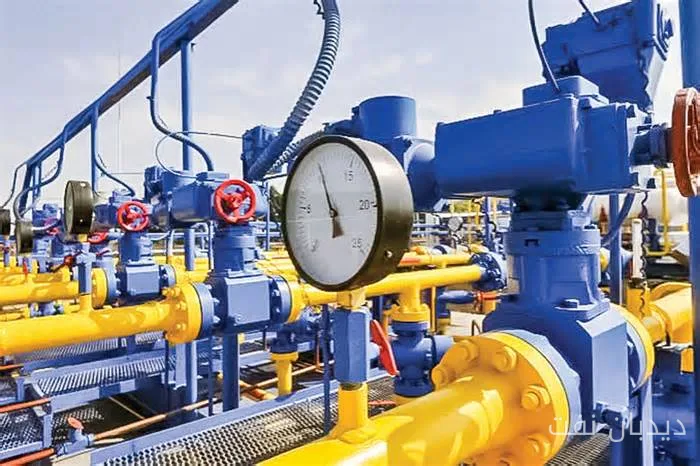
Additionally, discussions regarding U.S. LNG (liquefied natural gas) will also be another important topic. The two countries are considering reducing or eliminating China's 15% tariff on U.S. LNG. As the world's largest importer of LNG, China is seeking sustainable energy, and this issue could be discussed within the framework of larger agreements.
Challenges in Negotiations
One of the fundamental challenges in these negotiations is the issue of Taiwan, which could lead to limitations in discussions. China considers Taiwan a part of its territory, and any change in the U.S. stance regarding Taiwan could have widespread implications for security and economic developments in the region.
Moreover, concerns about artificial intelligence and its impacts on national security are also on the agenda. The two countries have recently begun formal discussions regarding AI safety and may reach agreements in this area.
Overall, this meeting is expected to be an effort to stabilize economic and trade relations between the two countries, although resolving fundamental disputes seems unlikely.
Read more: Masoud Pezeshkian: Continuation of National Development in War Conditions is Essential · Iran's Economic Growth Reached Its Lowest Level in 7.5 Years