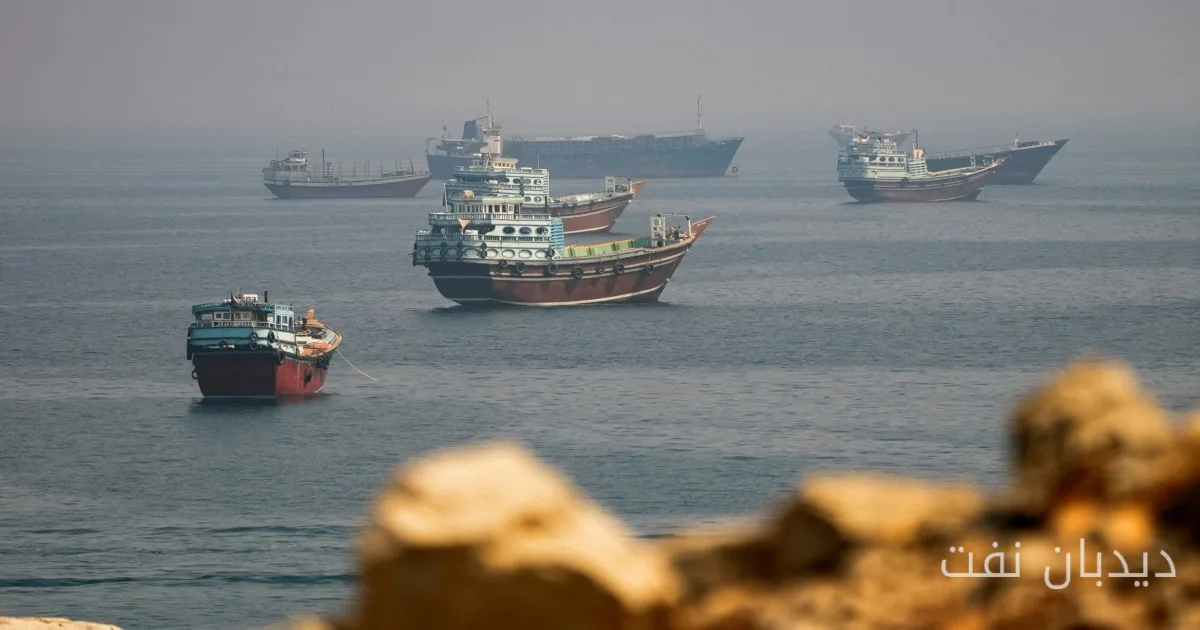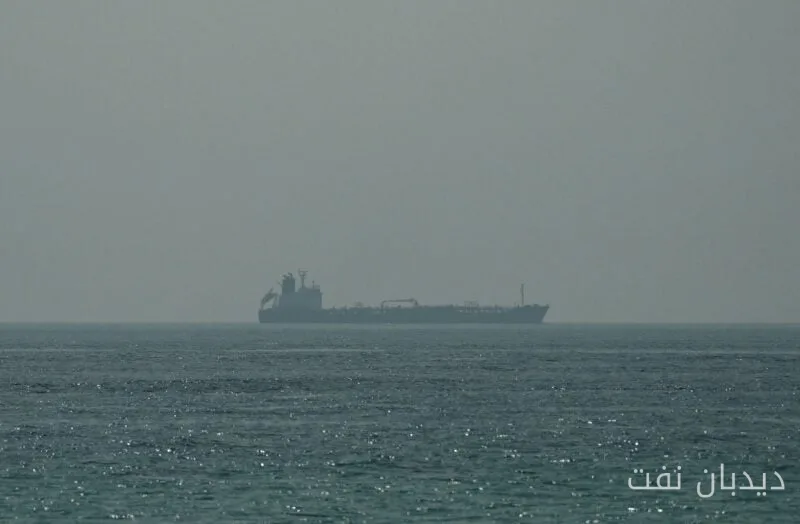
In a controversial move, the United States has announced that tankers must pass through the Strait of Hormuz at designated times to be under military protection. This decision has been made in response to the rise in Iranian attacks on ships in this strategic area, and it appears that tensions in this vital waterway have significantly escalated.
Impacts and Consequences
The Strait of Hormuz, which is one of the most important maritime routes for oil transportation, has always been in the global spotlight. However, the increase in Iranian attacks on tankers has compelled the United States to adopt new measures to ensure the security of this route. Limiting tanker passage times means that ships must move at specific times to be under the protection of military forces.
This decision could have widespread implications for global oil trade. Many oil companies may face challenges in planning and scheduling, which could lead to an increase in oil prices in global markets. Additionally, this action may escalate tensions between Iran and the United States and lead to further unrest in the region.
Future Outlook
Given the current circumstances, it seems that these security measures are only a temporary step, and the United States is likely to adopt further measures in the future to counter Iranian threats. Meanwhile, the international community must keep an eye on these developments and seek solutions to reduce tensions and maintain security in the region.