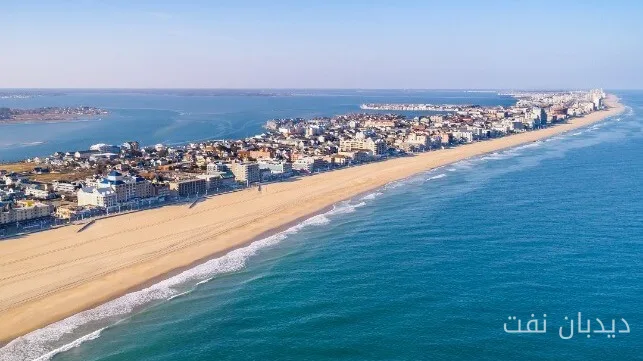
On October 19, 2026, the Trump administration submitted a request for a review of the approval for the construction and operation of Maryland's offshore wind project to a federal district court in Maryland. This action is intended for further examination of the aforementioned plan by the Department of the Interior, and it marks the second time in less than a few days that the federal government has taken such action.
Ongoing Efforts to Halt Offshore Wind Development
Since taking office in 2025, the Trump administration has sought to halt the development of offshore wind projects using various methods. These methods include reviewing the permitting process, issuing stop-work orders, and even purchasing previous permits. These actions have effectively stalled future developments and also include five projects under construction and other projects that received approvals in the final days of the Biden administration but have not yet reached the construction stage.
Details of Maryland's Offshore Wind Project
The Maryland offshore wind project was established in 2014 through a marine auction won by US Wind. The company combined two permits into a single project in 2018 and began the review and approval process in 2020. In the summer of 2024, the Department of the Interior and the Bureau of Ocean Energy Management (BOEM) issued the final approval for a plan that includes up to 114 wind turbines, four offshore substations, and four offshore export cables. The project also includes a 100-meter meteorological tower in the marine permit area.
The Bureau of Ocean Energy Management (BOEM) approved US Wind's Construction and Operations Plan (COP) for Maryland's offshore wind project on December 3, 2024. However, the project is still embroiled in various lawsuits, including a case in 2024 filed by the mayor and city council of Ocean City, Maryland.
The Department of the Interior and US Wind are facing eight lawsuits, each aiming to block the approval. The district court has dismissed three of these lawsuits, including claims of violating the Administrative Procedure Act, allegations related to migratory birds, and other issues related to the Coastal Zone Management Act, while four cases are still under review.
Legal Outcomes and Implications
The Trump administration has taken contradictory steps in this case, particularly regarding a lawsuit against NOAA Fisheries that refers to impacts on marine mammals. NOAA stated during the approvals that the impacts would be temporary and that natural behavior would return to normal after construction is completed. The Department of Justice has labeled this claim as "clearly incorrect" and has requested the court to issue a summary judgment on the matter.
However, the administration insists to the court that the Department of the Interior agrees that the previous COP approval should be reviewed for compliance with the Coastal Zone Management Act. BOEM has indicated that the plan could have significant negative impacts, including on the North Atlantic right whale and scenic and visual resources.
US Wind has objected to the threats posed by this action taken by the Department of Justice in August and has asked the court to issue an order preventing the federal government from revoking the permit. Judge Stephanie Gallagher ruled, however, that US Wind must wait for the Department of the Interior to take such action.
The administration has used a similar approach to challenge the Wind Revolution project, which is nearing completion, emphasizing that the review and approval process is incomplete and must be returned to the Department of the Interior. In this case, however, the wind farm has completed installation and is in the final stages of commissioning. Courts must now decide whether the government can reopen approvals while companies claim they have spent years in review and permitting processes.



