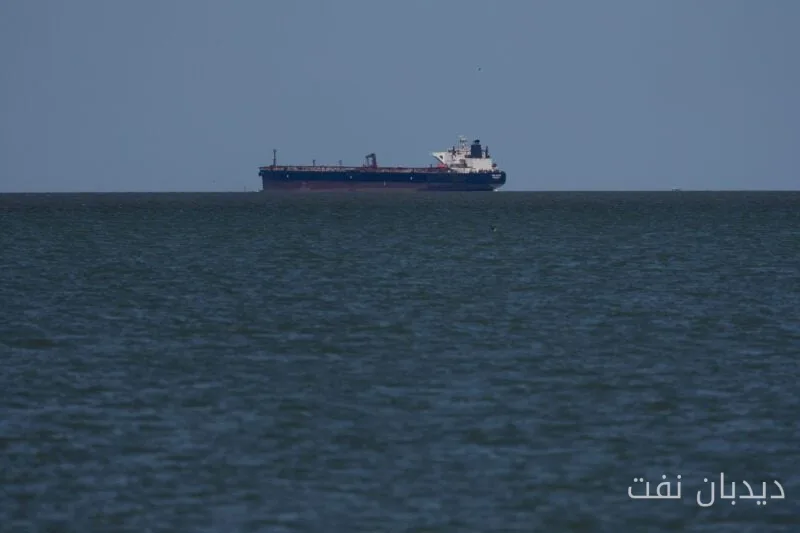
The tanker Soho Square, sailing under the Liberian flag, is currently anchored at the Port of Galveston and is heading towards the Port of Houston. This movement follows the announcement of a 60-day exemption from the Jones Act by U.S. President Donald Trump. The date of this event dates back to March 18, 2026.
Continued Oil Transport from the Middle East
Oil transport from the Middle East continues despite repeated and damaging attacks by Iran on commercial vessels in the region. According to provided data, oil and gas condensate flows from the Persian Gulf reached 24.6 million barrels per day in the week ending October 18, but the average for October so far remains below pre-war levels.
Read more: The damage from gas restrictions on petrochemicals in winter reaches 5 million dollars
Statistics provided by various data companies indicate significant fluctuations in oil transport. While Kpler estimates export flows this week at 24.6 million barrels per day, Vortexa reports this figure at 18 million barrels per day. Both companies estimate that pre-conflict flows were at least 18.5 million barrels per day.
Factors Affecting Export Volume
The continued high volume of exports despite Iranian attacks indicates the willingness of Middle Eastern producers to maintain oil flows. Oil is the main economic sector of these countries, and they have been competing in recent months to make up for billions of dollars in lost sales during the conflicts. For October, Kpler estimates Middle Eastern flows at 16.7 million barrels per day, while Vortexa considers this figure to be 15.4 million barrels per day.
Iraq is sending more oil through the Strait of Hormuz, while Saudi Arabia is also exporting oil from the coasts of the Persian Gulf and the Red Sea. The country increased its production to over 8 million barrels per day in September, returning to its lowest level in over three decades. The United Arab Emirates has also managed to move tankers through the Strait of Hormuz with record-high production.
Despite a series of attacks in this waterway, which resulted in the sinking of at least one container ship this month, export volumes have been significantly maintained. According to maritime reports, 32 attacks on vessels around the Arabian Peninsula have been recorded this month, an increase from 16 attacks in total during September.
Oil transport has become particularly complicated under current conditions where the automated information systems of ships are turned off. As a result, accurate recording of export volumes may take several days after attacks occur, which could lead to revisions in the statistics.
Read more: Brent oil price drops to $108.655 amid supply concerns · Sultan Haitham bin Tariq's visit to Britain and its implications for Gulf security