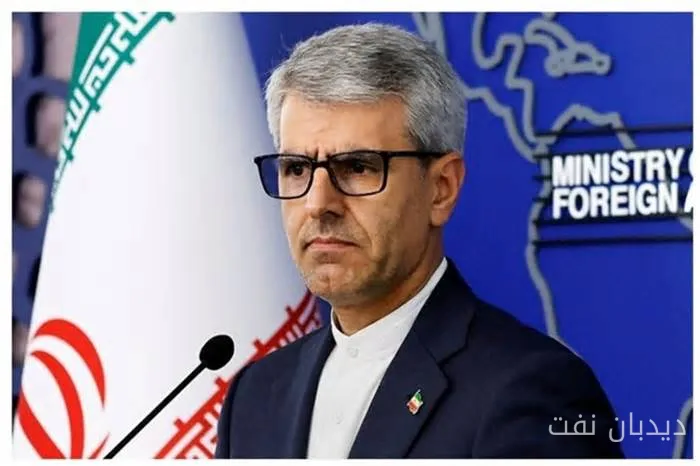
In today's complex world, the Strait of Hormuz, as one of the most vital shipping points in the world, is always in the spotlight. Senior officials have recently stated that the return of security to this region depends on stopping America's interventionist and destabilizing actions. These statements clearly indicate that maritime security in this strait is influenced by the illegal movements of this country.
Security Challenges and Their Consequences
The Strait of Hormuz is where about one-fifth of the world's oil passes through, and any instability in this region can have serious impacts on global markets. Officials emphasize that America's interventions, including maritime blockades, have severely affected the security of this strait and jeopardized the safety of shipping routes. These concerns are particularly felt in the current situation where tensions in the Middle East have reached their peak.
Some experts believe that to restore calm to the Strait of Hormuz, it is necessary for America to abandon its interventionist policies. This is not only in favor of Iran but also benefits all countries that depend on this vital route. For this reason, creating a constructive dialogue and reducing tensions could be a suitable solution for establishing security in this region.
The Future of the Strait of Hormuz and the Role of Global Powers
Ultimately, the future of the Strait of Hormuz depends on the behavior of global powers, especially America. If this country continues its interventions, not only will the security of this strait be at risk, but the consequences could spill over to global markets as a whole. Therefore, revising America's policies and paying attention to diplomacy could be a way to establish security in this sensitive region.