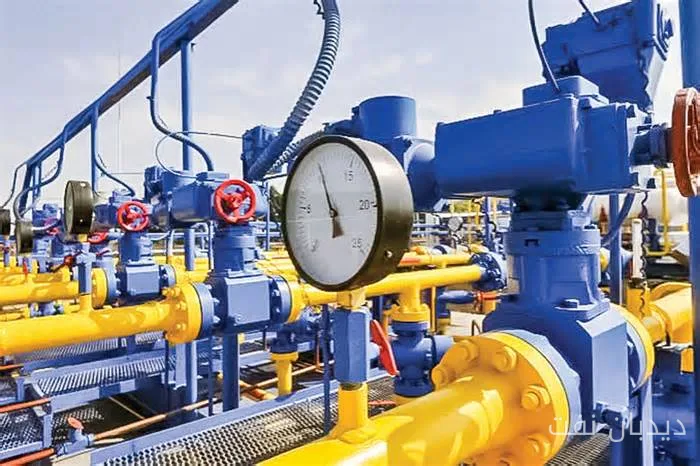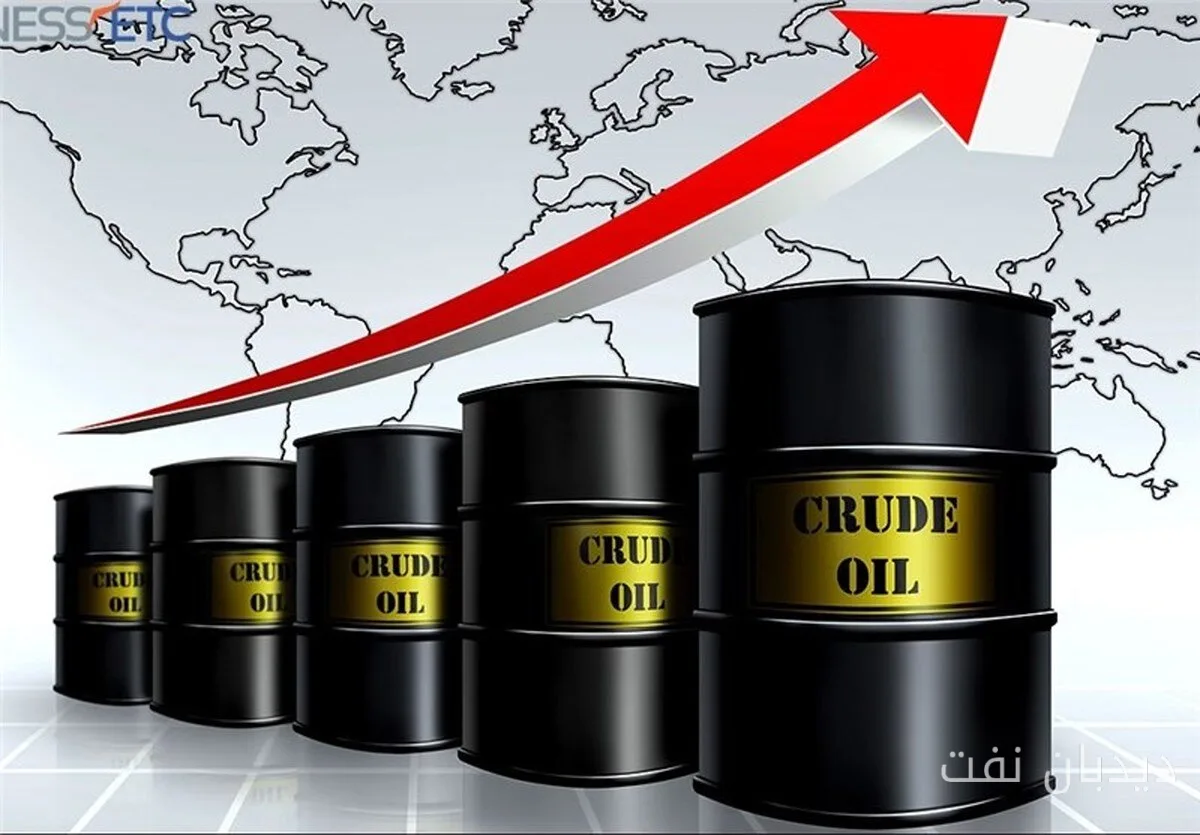
The pressure of oil and gas prices on the global economy ahead of winter has created new concerns for different countries. At the end of trading on Friday, the price of Brent oil reached about $105 per barrel, and the futures contract for natural gas in Europe also surpassed €81 per megawatt-hour. Ongoing tensions between Iran and the United States and uncertainties regarding the transit of oil and gas through strategic routes have intensified these concerns.
The Impact of Oil Prices on the Economy
Majid Shakri, a currency market expert, has pointed to rising prices and stated that stabilizing oil prices above $100 could put significant pressure on the U.S. economy and other economies worldwide. According to statistics, the price of U.S. crude oil has also reached $91.85 per barrel, and overall, these prices indicate the existing risks in the market.
Read more: Hapag-Lloyd Removed from Tripartite Cooperation of MSC and ONE on the Asia-South America Route
The rise in oil prices is not limited to fuel costs for vehicles. This increase also raises transportation costs, industrial production, and the distribution of goods. Therefore, the wave of energy price hikes can lead to increased prices of goods and services and the continuation of inflation.
The Gas Market Situation in Europe
In the gas market, the situation in Europe is particularly sensitive. The futures contract for natural gas in the Netherlands for November delivery reached about €81.43 per megawatt-hour, an increase of more than 3 percent compared to the previous trading day. Meanwhile, gas reserves in Europe have decreased to 73.3 percent, lower than last year's level of 82.8 percent and the five-year average of 88.3 percent.
As the cold season approaches and gas consumption for heating homes increases, competition among buyers may intensify. If the winter is colder than expected or disruptions in the supply of liquefied natural gas continue, prices will face the risk of further increases.
In this situation, the International Energy Agency has also mentioned the release of about 100 million barrels from emergency reserves. Governments are seeking to secure diesel and other products needed for transportation and industry. Additionally, Germany has announced that it intends to release up to 15 million barrels of crude oil and diesel from its emergency reserves.
In the U.S., Donald Trump has announced an agreement with Russia for diesel supply. This agreement could temporarily alleviate supply shortages, although analysts believe that the announced volume for this agreement alone cannot address the global supply shortage.
This situation reflects the numerous challenges that the energy market will face in the coming months. Developments in the war between Iran and the U.S., the status of shipments through strategic routes, and weather conditions will directly impact prices and increase pressure on global economies.
Read more: The $68 Million Dispute of Hunter Group with the Unpleasant Contracting Party · The U.S. Treasury Department Sanctioned 17 Iranian Ships and Companies