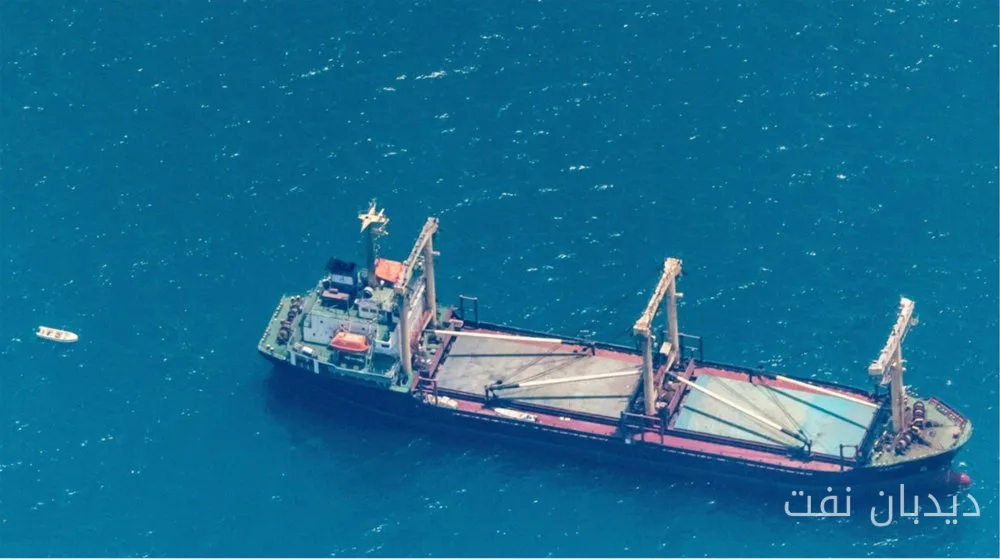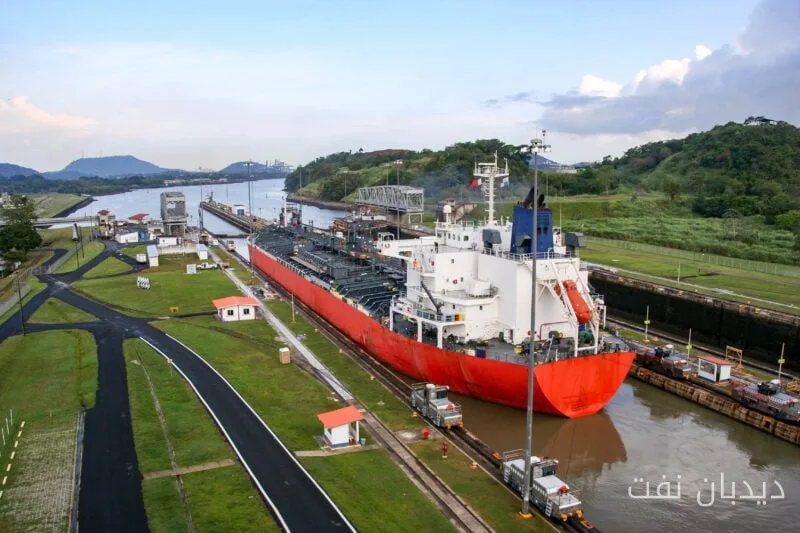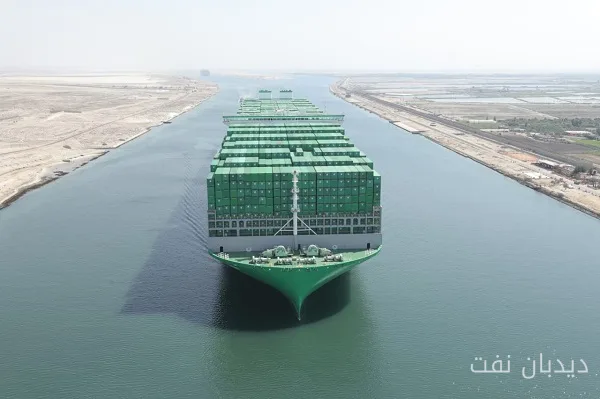
Disruptions in maritime routes, especially in container transport, have profound effects on commercial contracts and communications between carriers and shippers. These disruptions occur due to geographical and security conditions in key areas such as the Red Sea, the Strait of Hormuz, and the Panama Canal, consequently affecting logistical processes.
Impacts of Disruptions on Contracts
Maritime transport services operate in a networked manner, and a ship does not operate in isolation. These vessels typically move in a fixed cycle between ports. When a disruption occurs on a route, its impact is not limited to a single voyage but affects the entire service chain and impacts every port and cargo connection.
This situation creates tension that lies at the core of maritime transport operations. Carriers need flexibility to manage their networks in real-time, while shippers require predictability. This contradiction can lead to serious problems.
Mismatch Between Business Expectations and Contractual Realities
Service contracts under which cargoes are transported refer to trade routes and specific services. These contracts typically reference facts such as discharge times and estimated arrival dates. However, the reality is that these times are not as binding as shippers assume.
Many bills of lading include freedom clauses that allow the carrier to deviate from the declared routes, include additional ports, or change arrival times. These clauses are written broadly and are afforded significant protection for carriers under general laws.
This mismatch between business expectations and contractual realities can be manageable in normal times, but during disruptions, it can become a serious issue. A disruption at a key point can alter the travel time of the entire service and create cascading effects.
For example, security disruptions in the Red Sea may force carriers to reroute to more distant points, significantly increasing travel time and leading to a chain of problems. These issues result in delays in arriving at subsequent ports and missed transit opportunities.
As a result, these conditions necessitate a reconsideration of how maritime transport contracts are managed and aligned with unavoidable realities. These changes can help determine who is responsible for the costs arising from disruptions.