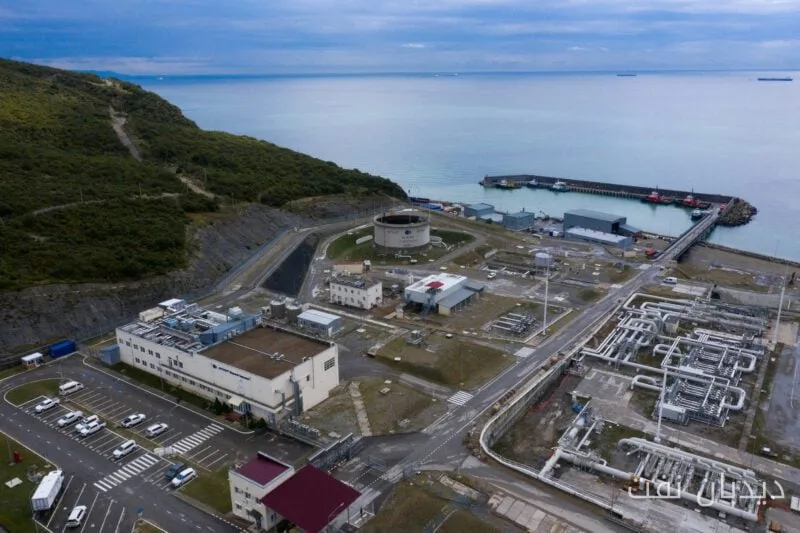
While traffic through the Strait of Hormuz has not yet returned to normal levels, recent data shows that the continuous flow of ships through this strategic waterway is still ongoing. In fact, this situation has significantly contributed to Gulf oil exports, bringing them above 10 million barrels per day.
The Strait of Hormuz: The Oil Artery of the World
The Strait of Hormuz is considered one of the most important oil transit points in the world. Despite political and military tensions in the region, the traffic of ships clearly demonstrates the ability of this waterway to maintain and continue commercial activities. According to statistics, it can be said that these transits affect not only the countries dependent on Gulf oil but also the entire global oil market.
It is noteworthy that despite existing challenges, shipping fleets continue their operations, which could be a sign of hope for stability in the oil market. This situation is also beneficial for countries reliant on oil exports and may help increase their revenues.
The Future Outlook for Oil Exports
With this trend continuing, it seems that Gulf oil exports will keep increasing. This could help improve the economic conditions of countries dependent on these exports and, on the other hand, steer the global oil market towards greater stability. Therefore, the Strait of Hormuz, as a vital oil artery of the world, still plays its key role.
Ultimately, based on recent data, it appears that oil transits through the Strait of Hormuz can strengthen the position of Gulf countries in the global oil market while also responding to global energy needs.