The European Union, with the release of its new strategy for the Arctic, has changed its approach regarding external presence and emphasized geopolitics and sovereignty. This strategy firmly maintains the emphasis on the non-extraction of carbon-based energy in polar environments.
EU's Position on Carbon Extraction
Dan Jørgensen, the EU Energy Commissioner, has stated that carbon extraction in the Arctic remains prohibited, even in the face of heavy lobbying from Norway, which is seeking a future for its energy industry in the marine resources of the Barents Sea. Jørgensen asserted, "The EU's position on drilling in the Arctic remains the same as before and is quite clear: oil, coal, and gas must remain in the ground."
Read more: Rubio: Iran's dominance over the Strait of Hormuz is a threat to maritime security
Emphasis on Reducing Carbon Pollutants and Maritime Security
This document also includes support for mandatory regulations from the International Maritime Organization (IMO) to reduce black carbon pollutants from ships in the Arctic and adjacent areas up to 60 degrees north. Black carbon is considered a major risk factor for melting ice in this region. Dr. Sian Prior, a senior advisor to the Clean Arctic Coalition, stated that this plan is timely and will require ships to use cleaner fuels in Arctic waters.
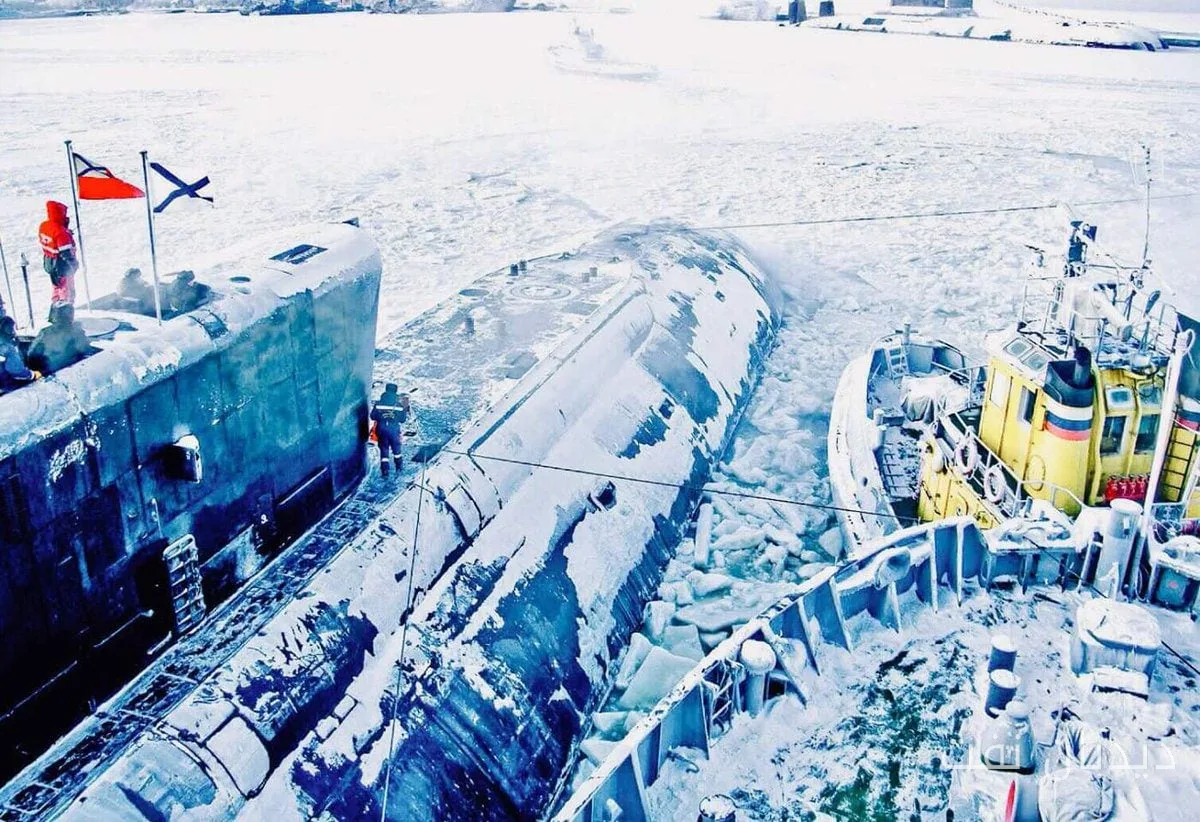
The new strategy also includes strengthening geopolitical influence and defending European interests in the Arctic. These measures include expanding the European icebreaker fleet, establishing a "Maritime Security Center" for information exchange regarding maritime activities and shadow fleet movements in polar regions, and creating a "Polar Cable Center" to identify cable threats and coordinate repairs of undersea cables.
Kaja Kallas, the EU's senior diplomat, described this strategy as a response to the increasing influence of Russia and China in the Arctic and added that to defend its interests, the EU is enhancing efforts in monitoring, infrastructure, military mobility, and defense technologies that can withstand harsh weather conditions. Access to maritime routes and natural resources in the Arctic is considered a strategic issue for the EU.
Read more: Increase in US oil exports following Middle East energy disruptions · Aker BP and Höegh Autoliners secured 223 million euros for CO2 storage project



