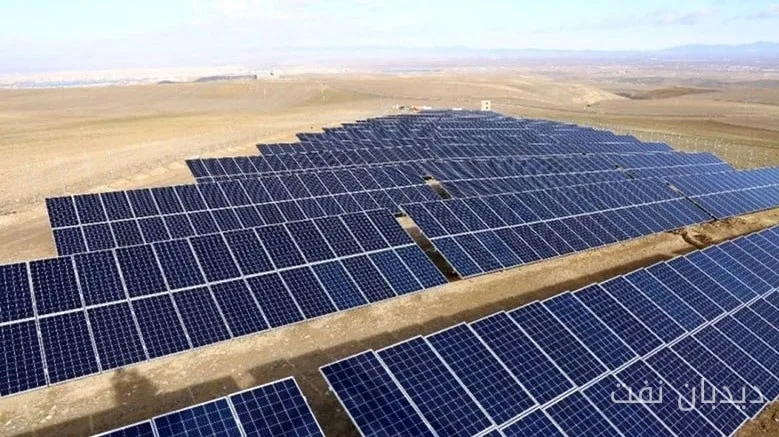
The country's solar energy capacity will approach 7 to 8 thousand megawatts. Pishavari stated in this regard: "God willing, by the end of the year, the country's solar energy capacity will see a significant leap."
Progress in the Solar Energy Sector
Pishavari, referring to developmental programs in this area, stated that increasing the capacity of solar power plants could help improve the electricity energy situation in the country. Especially in conditions where the energy electricity imbalance remains a major challenge, this increase in capacity can be considered an effective step towards meeting the country's energy needs.
Read more: The Arrival of the Cable-Laying Ship OCEANUS 1 into Service in Taiwan
Development Barriers and Solutions
Despite these advancements, there are numerous obstacles facing the development of solar power plants. The most prominent of these obstacles include financial constraints, lack of necessary infrastructure, and legal challenges. Pishavari emphasized the need for cooperation among various government and private sectors to overcome these obstacles and added that there is a need for appropriate planning and investment in this area.
Ultimately, the 7,000 megawatt capacity of solar power plants can not only help solve the electricity imbalance issues but also lead to increased energy security and reduced dependence on fossil resources. This issue can also contribute to environmental preservation and the advancement of sustainable development goals.
Read more: EEW Special Pipe Constructions Begins Production of 69 Monopile Foundations for the Zifonk Wind Power Project · Davood Manzoor Emphasized the Necessity of Managing Energy Imbalance