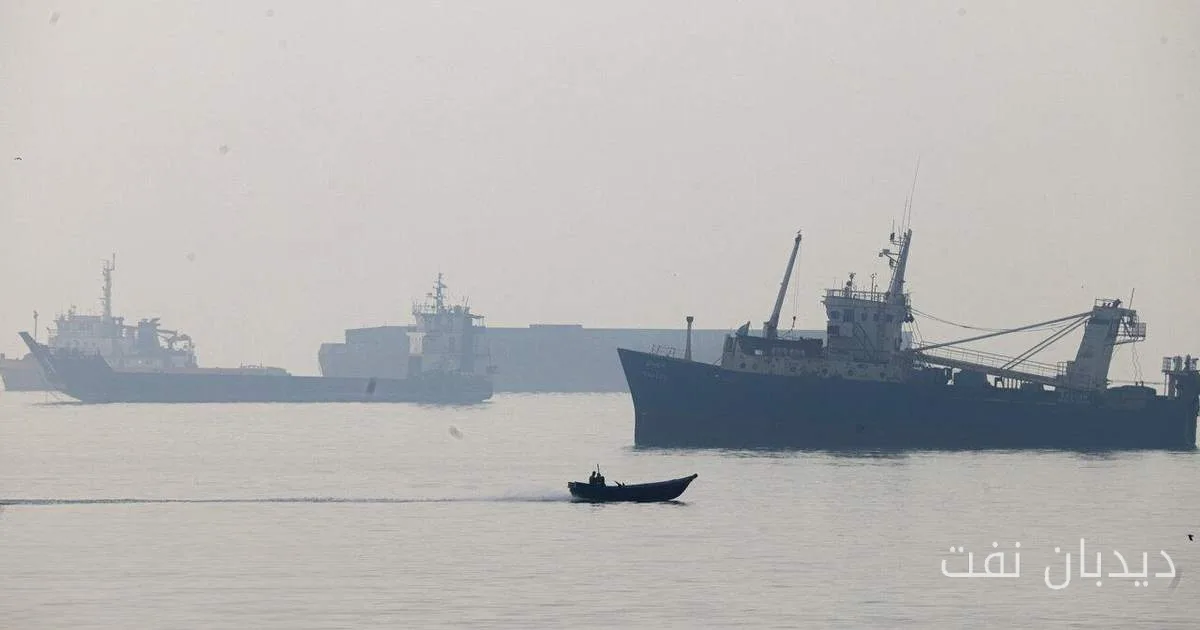
Attacks on oil infrastructure and tankers in the Strait of Hormuz, during the seven months following the start of the war between the United States and Israel with the Islamic Republic, have removed over two billion barrels of crude oil from the global market. These disruptions have heightened concerns about the continuity of energy supply and have had direct impacts on the prices of oil and liquefied natural gas.
Impacts on Prices and Contracts
With the reduction in oil supply in the market, the prices of oil, liquefied natural gas, and petroleum products have increased, prompting buyers to enter into new contracts. Analysts believe that producers in the Americas cannot fully replace the low-cost oil from the Middle East, but an increase in supply could help curb prices and limit OPEC's power.
Developments in the Americas
According to the consulting firm Rystad Energy, oil and gas production in the Americas is expected to increase by about 10 percent in the two years leading up to December 2026. This growth includes contributions from Venezuela, Suriname, and the United States. Daniel Yergin, Vice President of S&P Global, believes that disruptions in supply chains have accelerated the development of energy resources in new areas. This trend aligns with the "Donor Doctrine" introduced by former U.S. President Donald Trump.
Argentina and Venezuela, as the main beneficiaries of these changes, have increased their oil production and exports. In Argentina, the Vaca Muerta shale field has led to increased production after years of development, with the country's total exports exceeding 10 billion dollars for the first time in September. Additionally, TotalEnergies has announced an investment of 10 billion dollars in offshore projects and gas production expansion.
In Venezuela, oil production has increased by 10 percent this year, reaching about 1.2 million barrels per day. Washington has invited international companies to invest 100 billion dollars to rebuild the oil industry following the arrest of Nicolás Maduro in January. Chevron has also committed to investing 7 billion dollars over five years and more than doubling its production.
Global Trends and Their Effects on OPEC
The increase in production in the Americas will not fully replace Middle Eastern oil, but it has provided more options for buyers and could reduce OPEC's pricing power. In the United States, Wood Mackenzie predicts that shale oil production will reach 11.8 million barrels per day by December 2027, which is about one million barrels more than pre-war levels.
Overall, these developments indicate profound changes in the global oil and gas market and their impacts on the global economy. These disruptions have not only created new challenges but also provided fresh opportunities for countries seeking to increase energy production and exports.