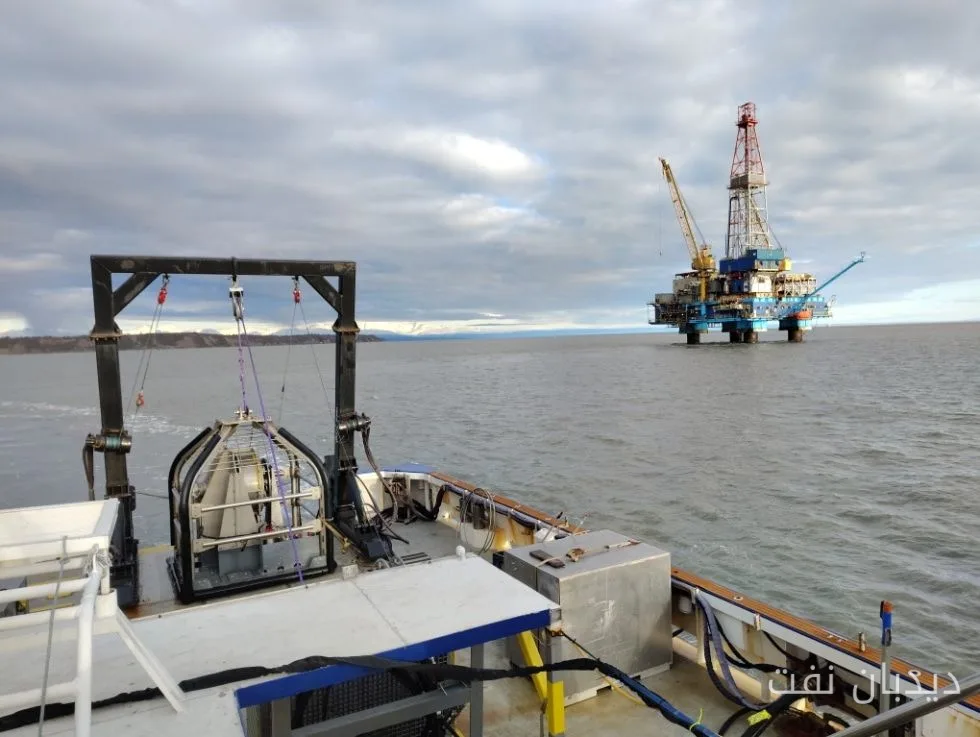
TDI-Brooks, based in the United States, has completed a vital geotechnical campaign for the Cook Inlet LNG project in Alaska. This strategic initiative is designed to secure natural gas resources for south-central Alaska and provides important subsurface data for the project's anchor selection.
Geotechnical Project Details
The campaign included cone penetration tests (CPT) using the Neptune N5K system, conducted to study the site characteristics of the anchor. This work was aimed at collecting subsurface soil data to inform the anchor selection.
Read more: BP and TechnipFMC Agreement to Supply 20,000 Subsea Tree Systems in the Gulf of America
According to the company, this study included various locations at the project site and covered 16 CPTs at water depths ranging from 10 to 25 meters. Operations were conducted from the R/V Poseidon, a third-party vessel active in the area, showcasing the company's ability to utilize specialized geotechnical equipment on local vessels.
Goals and Importance of the Cook Inlet LNG Project
The Cook Inlet LNG project is an energy security initiative designed to address the declining natural gas reserves in the Cook Inlet basin. This project is seen as a temporary solution for importing gas, aimed at preventing energy shortages for heating and electricity.
The project plan includes the use of a floating storage and regasification unit (FSRU) to be located off the eastern shores of West Foreland, utilizing existing subsea pipelines to minimize environmental impacts and construction volume.
TDI-Brooks' geotechnical study helped assess the seabed soil properties to determine how to safely anchor the FSRU and its infrastructure in the marine environment of Cook Inlet.
This study was conducted a few months after TDI-Brooks was hired by Delfin LNG to provide geophysical and geotechnical services for the Delfin deepwater port project off the coast of Louisiana.