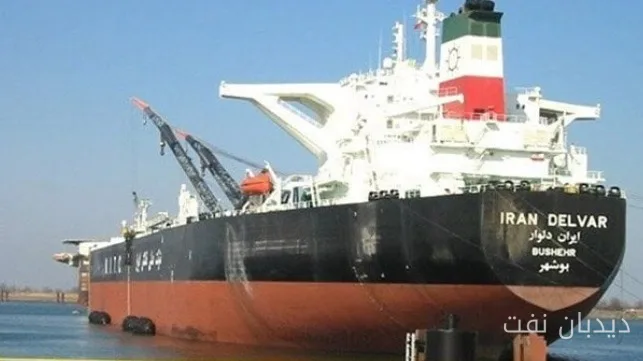
Iran is rapidly approaching the depletion of its oil reserves stored at sea. According to Kpler estimates, ١٥ million barrels of oil remain in floating reserves at the beginning of October, and this amount will be completely drained by mid-October.
Impact of sanctions on Iran's oil exports
US maritime sanctions have prevented any Iranian tanker or tankers associated with the dark fleet from leaving the Persian Gulf. This maritime blockade, which has been fully enforced for ١٠ weeks, has severely impacted Iran's oil exports. During the brief period in the summer when restrictions on Iranian ships and ports were temporarily eased, Iran was able to export some of its oil reserves accumulated in the Persian Gulf and add them to its floating reserves, which are mainly stored near Malaysia.Read more: Navitas is looking for new contractors for the Sea Lion project amid Argentina's sanctions threats
However, during this time, Iran has only been able to meet the needs of its major customers, who are almost entirely Chinese, by selling oil from these floating reserves. By early this month, Iran had managed to maintain its revenue stream by drawing from these reserves. But now, these reserves are sharply declining.
Economic consequences for Iran
The decline in oil revenues will directly impact Iran's economic situation. Estimates indicate that by the end of December, the Iranian government will lose a significant revenue stream that accounts for about ٤٠ percent of its financing. This revenue decline means reduced budgets to meet the country's basic needs and will exacerbate economic problems for Iranian citizens.Iranian citizens are likely to face more shortages in energy and fuel, especially with the winter season approaching. Additionally, a reduction in food imports on which they depend could lead to increased public discontent. Given the inflation rate estimated at around ٩٠ percent, the cost of living for many Iranians will rise sharply, and this could lead to strikes and industrial actions.
In a situation where political protests are a dangerous option for many Iranians, protesters may take to the streets due to unbearable living costs and basic shortages. This situation could put more pressure on security forces that rely on maintaining their power.
Ultimately, Iran's oil exports, which previously went ٩٠ percent to China, are on the verge of depletion, and this could have serious consequences for the country's economy and domestic policies.
Read more: Increase in Middle Eastern crude oil exports and its impact on the global market · US Treasury Secretary: Iran's oil shipments will reach zero



