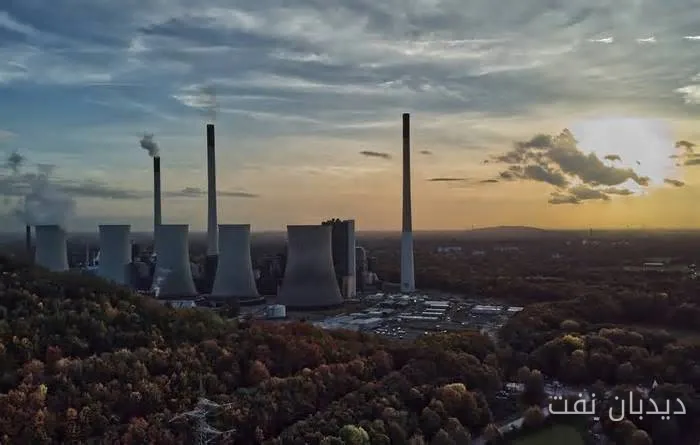
The futures price of natural gas for November at the TTF hub in the Netherlands surged to about $1003 per 1000 cubic meters. Currently, spot gas prices in major trading centers in Europe are also above $1000 per 1000 cubic meters. This price increase has occurred as gas reserves in Europe have reached their lowest levels and political and military tensions in the Middle East continue.
Factors Influencing Natural Gas Prices
The unprecedented decline in gas reserves, along with the ongoing conflicts in the Middle East, has significantly impacted gas prices in Europe. Experts predict that European households and industries will face high gas prices for at least another year. Even if tensions in the Middle East decrease and a mild winter is ahead, the need to refill gas reserves in Europe is felt.
Read more: Delay in Unemployment Insurance Payments is Concerning
Gas Export Disruptions
Shipping disruptions in the Strait of Hormuz due to military tensions in the region have been one of the main reasons for the increase in gas prices in Europe. These disruptions have negatively impacted 20% of global liquefied natural gas exports, particularly exports from Qatar and the UAE, which are primarily directed towards Asian markets. While some countries, including the United States, Canada, and Nigeria, have increased their gas exports, disruptions in gas exports from the Middle East have intensified competition for new gas shipments and hindered Europe's efforts to refill gas storage during the summer.
Read more: 42% Decrease in Qatar's Revenues Due to Sanctions and Maritime Insecurity · Aramco Seeking New Solutions for Saudi Arabia's Excess Gas Exports



