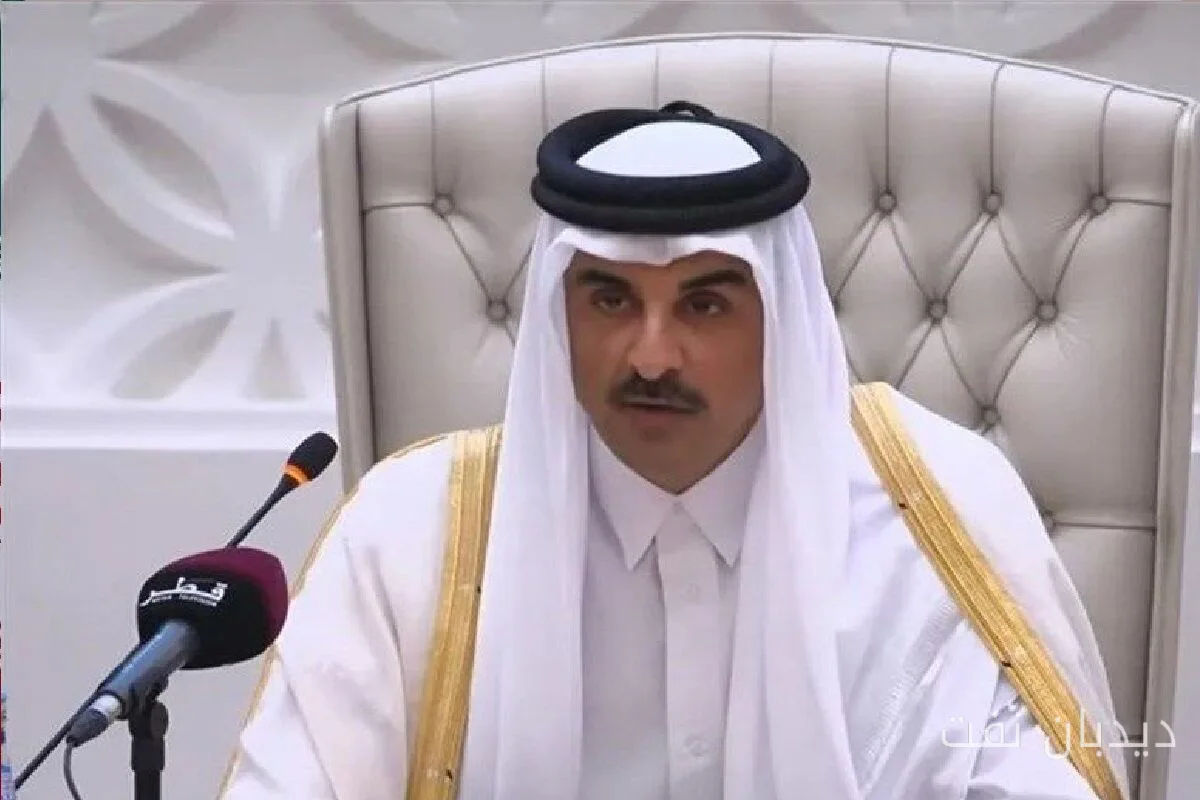
Sheikh Tamim bin Hamad Al Thani, the Emir of Qatar, announced at the annual advisory council meeting in Doha that the government's revenues in the first half of 2026 have decreased by 42% due to disruptions in gas exports and damage to critical energy infrastructure following the U.S. and Israel's war against Iran.
Damage to Energy Infrastructure
The Emir of Qatar emphasized at the meeting that the closure of the Strait of Hormuz and damage to energy facilities in the industrial city of Ras Laffan have significantly impacted Qatar's gas exports. He added: "It is natural that this crisis negatively affects public finances, as total revenues have decreased by 42% in the first half of the year." This decline in revenues clearly indicates the negative impacts of political and security tensions on Qatar's economy.
Read more: Decrease in Coal Reserves in India Causes Power Outages and Increased Costs
Extension of Export Commitments
According to reports, due to ongoing unrest and disruptions in maritime security in the Strait of Hormuz, the Qatari government has decided to extend the suspension of part of its commitments to deliver liquefied natural gas (LNG) to Asian and European destinations for another month. This decision has been made due to disruptions in maritime traffic in the Strait of Hormuz and is considered a strategic measure to protect Qatar's national interests against current crises.
This one-month extension will undoubtedly put additional pressure on global energy markets and the fuel supply chain. Given the importance of the Strait of Hormuz as one of the main energy transit routes in the world, these actions by Qatar could lead to further fluctuations in energy prices in global markets.
Read more: Mythem Jafarzadeh: Energy Security Depends on Balanced Development of Production and Network · UAE Maritime Adds Six New Oil Tankers to Its Fleet