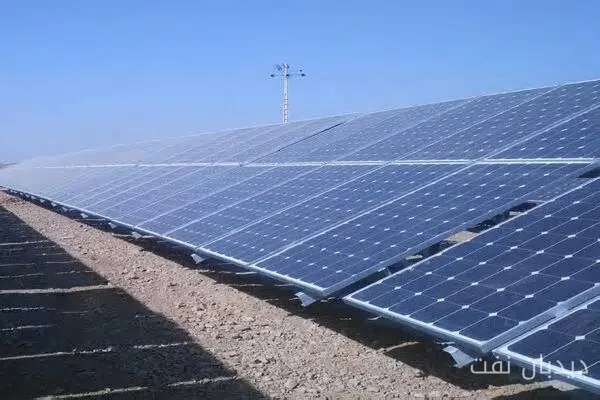
Meisam Jafarzadeh, on the sidelines of the eighth Iran Solar Power Plants Conference, addressed the existing challenges in the field of the country's energy security. He emphasized that the imbalance in electricity production is not only due to a lack of production capacity but also related to structural problems in production, fuel supply, transmission, distribution, and consumption management.
The Need for Renewable Energy Development
Jafarzadeh said: "The expansion of renewable energies should be in line with a comprehensive plan to improve the sustainability and security of the electricity network." He pointed to Iran's climatic capabilities, considering solar energy as one of the valuable investment opportunities in the electricity industry, adding that this type of energy can help reduce pressure on thermal power plants and also diversify production sources.
Read more: Containment of Fire in Truck and Fuel Carrier Vehicle in Bandar Abbas
The CEO of Lava Energy Holding continued: "Solar power plants are part of the solution to the imbalance problem and not a substitute for structural reforms in the electricity industry." He emphasized the importance of paying attention to the structure of the country's energy security and said: "The development of solar power plants should be done considering the network's acceptance capacity, transmission infrastructure, and actual consumption needs."
Investment and Risk Management
Jafarzadeh also stressed the necessity of providing a secure environment for investors and said: "Investment in energy infrastructure requires a long-term perspective, and without stability in laws, transparency in electricity sales mechanisms, guarantees for receivables, and the ability to predict return on investment, widespread and continuous participation from the private sector is unlikely."
He referred to utilizing the capabilities of the banking network, capital market, and modern project-based financing models, stating that these could expedite the implementation process of renewable projects. Cooperation among policymakers, financial institutions, and investors is essential.
This official emphasized the importance of investment quality, reminding that: "The amount of installed capacity is not the only measure of success in the development of renewable energies; rather, the actual production capacity, design and execution quality, connectivity to the network, operational efficiency, and economic return of projects should also be criteria for evaluation."
Jafarzadeh referred to the approach of this organization in advancing energy infrastructure and added: "The strategy of this organization is based on targeted investment, precise technical and economic research, project engineering management, and converting financial resources into operational and reliable power for electricity production."
He further noted that energy security is no longer limited to peak summer consumption; rather, the lack of fuel supply for thermal power plants in winter has made the need for diversification in production sources and the development of renewable energies more apparent.
In conclusion, Jafarzadeh stated: "Sustainable energy security cannot be achieved merely by increasing power plant capacity; it requires balanced development of production, strengthening the network, improving the efficiency of existing power plants, consumption management, and smart investment." He also emphasized that solar energy plays a significant role in this path, but to address the root causes of electricity imbalance, we need structural reform and effective governance in the country's energy industry.
Read more: Energy Imbalance Has Increased Production Costs · Anduril's $6.6 Billion Investment for the Development of the U.S. Undersea Industrial Base



