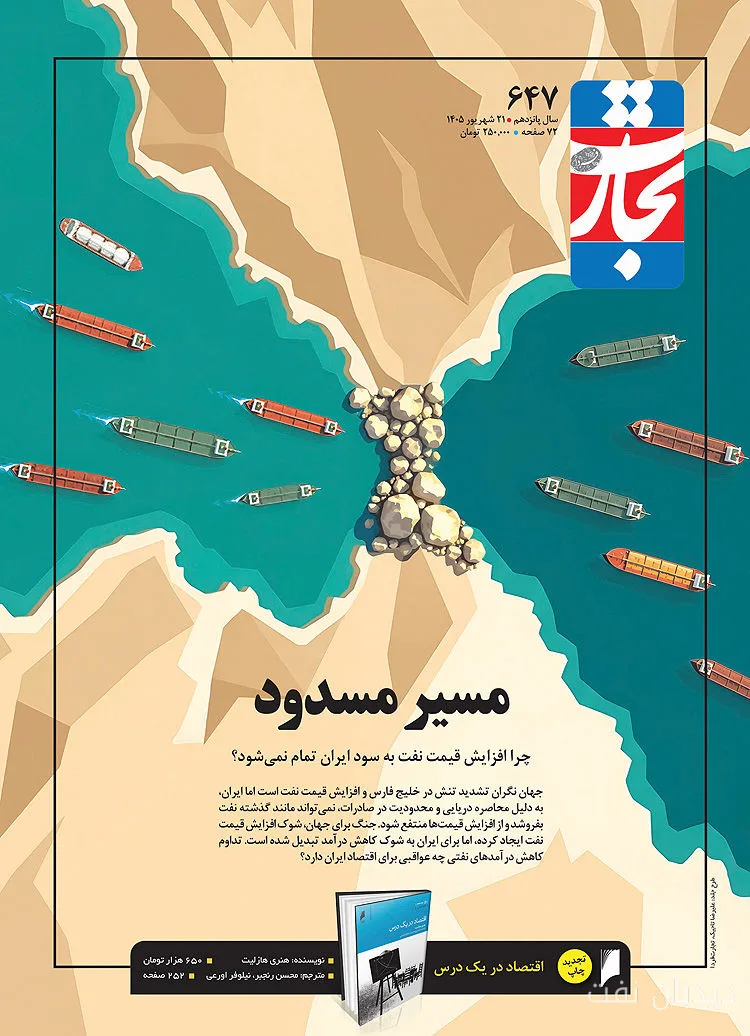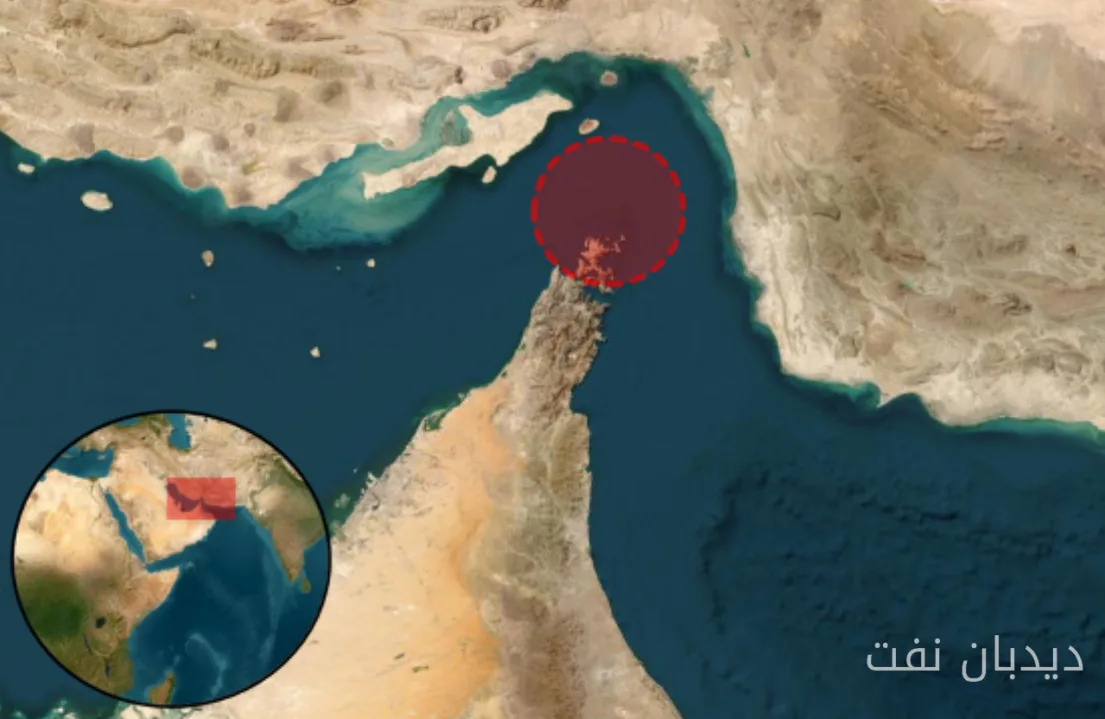
The Strait of Hormuz has once again become one of the main centers of war crisis in the region. With rising tensions in the Middle East, this strategic passage, through which 20 percent of the world's oil flows, is under severe pressure, and the passage of ships through this vital route has significantly decreased.
Economic Consequences of the Crisis
The cost of transporting oil tankers has reached unprecedented levels, and oil prices have surged dramatically. These changes mean increased energy costs and, consequently, more pressure on vulnerable segments of society. While policymakers seek solutions to manage this crisis, economic realities remind ordinary people how war and political crises can affect their livelihoods.
Impact on Daily Life
People in the streets, in stores, and in their homes clearly feel the effects of this crisis. The rise in fuel and essential goods prices has made life difficult for many families. In these circumstances, many individuals are looking for solutions to adapt to these changes, but will these efforts be enough?
Ultimately, what is happening in the Strait of Hormuz is not just a military crisis but a serious alarm for people's livelihoods. This issue reminds us that politics and economics are intertwined, and any decision at the macro level can have tangible consequences on the daily lives of citizens.