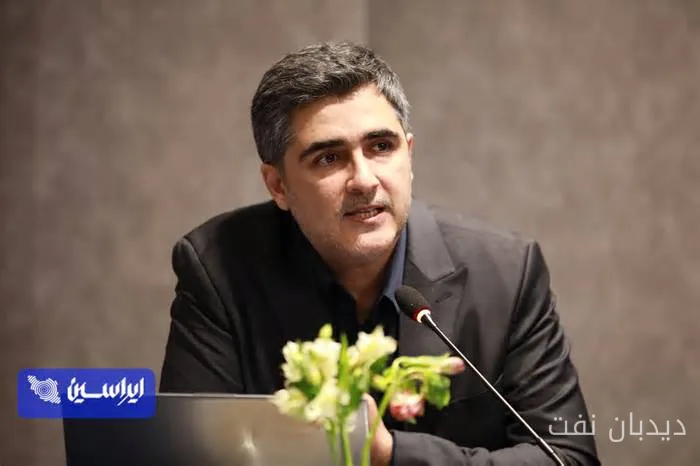
Siamak Shojaei, the Strategy and Organizational Excellence Manager of Mobarakeh Steel, discussed global energy developments and their impact on the future of technology and industry at the first specialized meeting of the Future Steel Think Tank titled "Energy and the Future of Iran's Industrial Development." He stressed that energy policies need to be seriously redefined to facilitate Iran's industrial development.
The Necessity of Redefining Energy Policies
Shojaei pointed out the changing nature of issues and the increasing complexities of the business environment, stating that strategic decision-making by large industrial enterprises today requires understanding environmental changes and foresight. He clarified that, in this regard, Mobarakeh Steel has established the "Future Steel Think Tank." The aim of this initiative is to design a technology development model and create a network of experts and strategic dialogue to support macro-level decision-making and provide policy and strategic recommendations.
Read more: Hapag-Lloyd Suspended Cargo Shipments to Three Ports in the Philippines
The Role of Energy in Industrial Competitiveness
Shojaei emphasized that in the past, access to cheap energy resources was considered the main advantage of industrial development, stating that now this advantage arises from a combination of competitive costs, security and sustainability of supply, consumption efficiency, and compatibility with technological developments and environmental requirements. He added: "Access to sustainable and competitive energy is not only a prerequisite for the operation of existing industries but will also be one of the main factors in the development of future technologies and industries."
The Strategy and Organizational Excellence Manager of Mobarakeh Steel also referred to the energy strategies of regional countries, stating that countries like Saudi Arabia, the UAE, Qatar, and Oman are redefining the role of energy in their industrial development. These countries are striving to leverage energy capacities to attract investment, develop technology, and complete value chains.
Shojaei further highlighted the importance of the political economy of energy, stating that the success of energy policies is not solely dependent on technical and economic design but requires understanding the distribution of benefits and costs, managing conflicts of interest, and institutional coordination. He also mentioned three complementary axes to overcome energy imbalance, which include "innovation and reducing consumption intensity," "industrial policy supporting production," and "self-sufficiency and diversifying energy supply sources."
Shojaei concluded by posing five strategic questions about the competitive advantage of energy and the responsibility for its provision, urging attendees to examine the future of the country's industrial development and said: "Given today's and tomorrow's energy realities, what path should Iran choose for industrial development by the horizon of 1420?"
He emphasized that answering this question requires a joint dialogue among policymakers, experts, and industrial actors, and that practical solutions and sustainable policies for the future of Iran's industrial development must be pursued.
Read more: Holding a Specialized Exhibition in Iran Project Focused on Technical and Engineering Services in Turkmenistan · Sanctioning Iranian Oil Shipments on the Route from Asia to Europe



