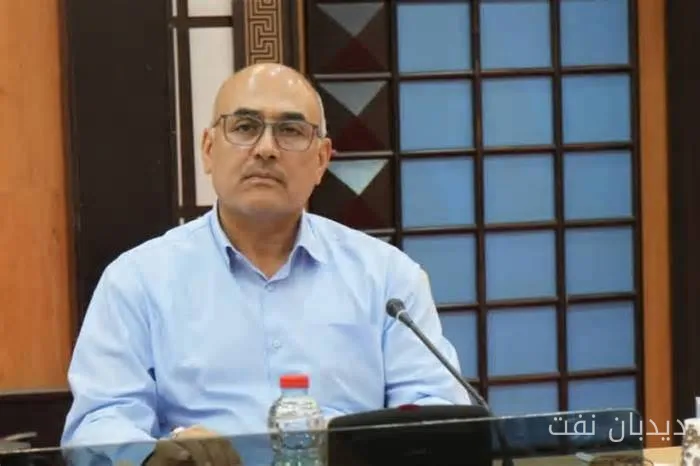
Shahpour Rajai emphasized the necessity of implementing Chapter 19 of the national building regulations at the seventh meeting of the Technical Council of Bushehr Province, which was attended by main members and invitees. He announced that the energy consumption intensity in Iran, in relation to gross domestic product, is about 2 to 5 times higher than that of some developed and developing countries. This issue indicates the need for serious attention to energy management and optimization.
Status of Household Electricity Consumption in Bushehr
Rajai, referring to the statistics of household electricity consumption in Bushehr Province, announced that the per capita electricity consumption per subscriber is about 11,800 kilowatt-hours, while the national average is about 3,200 kilowatt-hours. This significant difference increases the need to adopt effective solutions for energy consumption management in buildings.
Read more: Mercedes Truck Stopped in Rhine Due to Decrease in Water Level
Importance of Implementing Chapter 19
The Deputy for Coordination of Urban Affairs of Bushehr Province considered the implementation of Chapter 19 as a starting point for energy management in buildings and stated that this chapter enables the design and construction of buildings with appropriate energy performance by focusing on energy consumption optimization. He emphasized that compliance with the requirements of this chapter should become one of the serious priorities in the construction process.
Rajai added: Improving the thermal performance of the building's external shell, reducing energy loss, and increasing the thermal comfort of residents are among the main objectives of implementing this chapter. Additionally, moving towards construction with an energy efficiency and environmental sustainability approach should be prioritized by the Technical Council, the Building Engineering System Organization, and relevant executive agencies.
Education and Cultural Development in the Construction Industry
Rajai further emphasized the importance of educating and enhancing the knowledge of engineers and professionals in the construction industry, stating: Cultural development and increasing public awareness regarding energy consumption management, standardizing building materials, and monitoring compliance with the requirements of Chapter 19 during the design and implementation stages are fundamental necessities of this path.
He noted that coordination and collaboration of the responsible agencies with the Building Engineering System Organization of the province can facilitate more effective implementation of Chapter 19 and energy consumption management in government and private buildings. In this meeting, the thermal resistance of various materials used in the shell and external walls of buildings was examined, and the results will be provided as a guide to engineers and professionals in the construction industry.
Rajai emphasized that energy consumption management begins at the design stage of the building, and compliance with the requirements of Chapter 19 should transform from a technical obligation to a comprehensive approach in the construction industry of the province.
Read more: Carnival Corporation Reached New Records in the Third Quarter of 2026 · 20% Reduction in Energy Consumption with the Implementation of Chapter 19 in East Azerbaijan



