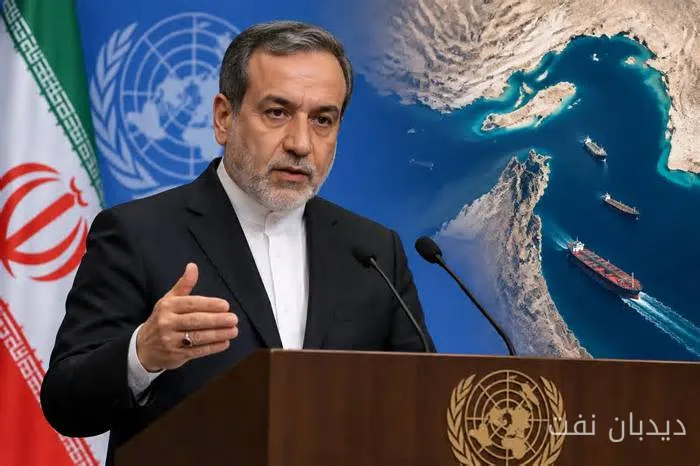
Seyed Abbas Araghchi, Iran's Foreign Minister, announced a seven-day plan for reopening the Strait of Hormuz during his press conference at the United Nations. These statements come at a time when tensions in the region continue, and the Strait of Hormuz, as one of the most important maritime passages in the world, plays a key role in global energy security and stability.
Details of the Seven-Day Plan
Araghchi explained that this plan includes a phased process aimed at restoring normal conditions for the passage of ships in this strategic waterway. He emphasized that this process could begin if the conditions proposed by the United States are accepted.
Read more: Nexans Begins Installing Underground Cables to Connect the Orkney Islands to Britain
According to the announced plan, the implementation actions will begin with the acceptance of the desired conditions. These actions include stages of de-escalation, necessary coordination, and providing security conditions for the return of maritime traffic.
Implementation Stages of the Plan
The plan to reopen the Strait of Hormuz is divided into four stages:
- Stage One: Initiation of the program and acceptance of the announced conditions.
- Stage Two: Implementation actions to enable the return of maritime traffic.
- Stage Three: Reopening the Strait of Hormuz on the sixth day.
- Stage Four: Entering the final agreement phase on the seventh day.
Araghchi has stated that this process could be completed within four to five days, and the reopening of the Strait of Hormuz will take place on the sixth day.
The Importance of the Strait of Hormuz in Global Equations
Due to its geographical position and international significance, the Strait of Hormuz is recognized as a vital passage for energy exports from the region's countries. Any change in the status of ship traffic in this area can have significant impacts on the energy market, shipping costs, and decisions made by international companies.
Araghchi also referred to the impact of tensions between Iran and the United States on the security of the Strait of Hormuz, stating that this issue requires interaction among regional countries and the security conditions of the Persian Gulf. He emphasized that restoring security and stability in the region is not possible through pressure and military actions.
Given the strategic position of the Strait of Hormuz in energy transfer and global trade, any developments related to this area could have widespread repercussions at both regional and international levels. Therefore, the seven-day plan to reopen the Strait of Hormuz must be carefully examined.
Read more: Taiwan Tests Anti-Ship Missile Firing Capability from Patrol Boats · Macron: France Participates in Operations to Ensure Freedom of Navigation in Hormuz



