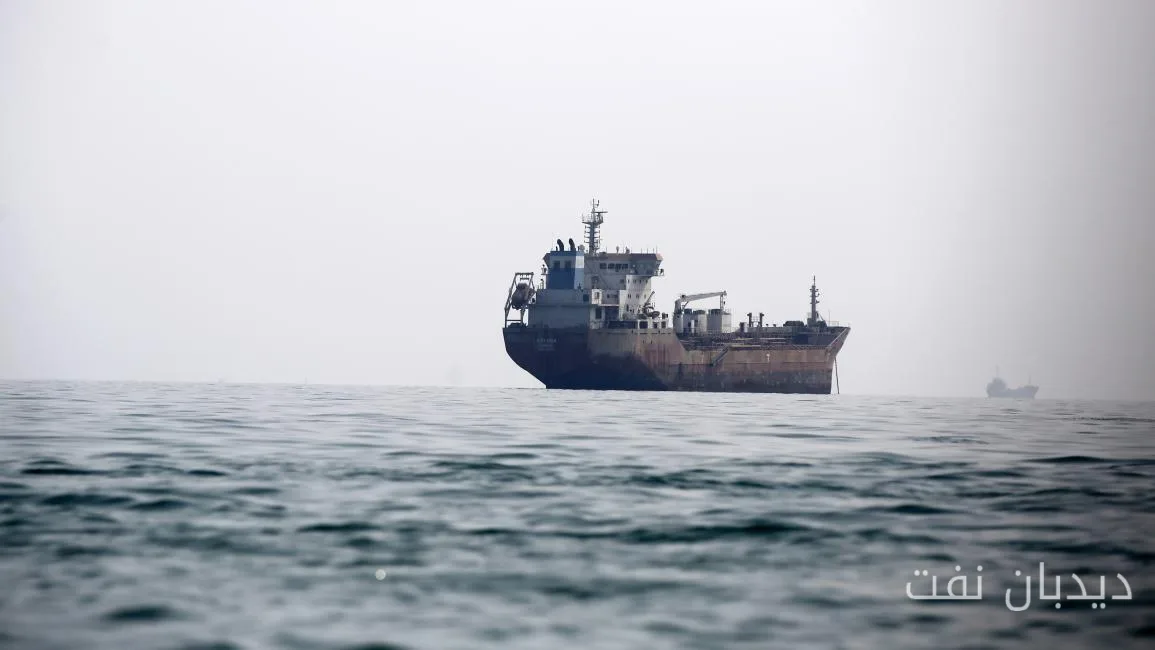
The decline in oil revenues of Gulf countries due to the Strait of Hormuz crisis poses a serious threat to the economies of these countries. The staggering increase in shipping costs and war risk insurance premiums has challenged the competitive advantage of oil from Gulf countries in global markets.
Increase in Transportation and Insurance Costs
According to a report published by a geopolitical information platform, the salary of captains of oil tankers passing through the Strait of Hormuz has reached $100,000 per month, and they receive a $50,000 risk bonus for each trip. The insurance premium has also increased to 7.5 to 10 percent of the ship's value. This rise in costs, along with skyrocketing shipping rates and fuel prices, has put significant pressure on oil producers.
Read more: Increase in crude oil price to $109 and Europe's concerns in winter
The specialized energy market platform has also announced that the income of owners of supertankers for round trips from the Gulf to Asia has reached $1.3 million per day. In 2025, this figure was only $55,000. Additionally, the cost of transporting each barrel of oil to Asia has increased to $34.
Efforts to Reduce Dependence on the Strait of Hormuz
In response to military threats, Gulf countries are seeking to strengthen logistical resilience and reduce dependence on the Strait of Hormuz. Saudi Arabia has announced plans to increase oil transportation capacity through pipelines leading out of the Gulf to 10 million barrels per day. This goal is being pursued through the development of the East-West pipeline and repurposing a gas pipeline for crude oil transport.
However, the losses incurred from oil discounts due to the Hormuz crisis directly affect the oil export economies of Gulf countries. For instance, the rental cost of a supertanker with a capacity of two million barrels has dramatically increased from $25,000 to $50,000 per day to between $1 million and $1.25 million.
Gulf countries, especially Iraq, which lacks integrated logistical infrastructure, are more severely affected by this crisis. Iraq's exports have decreased by 82 percent at the peak of the Hormuz crisis. In contrast, Saudi Arabia and the UAE have only seen declines of 38 and 40 percent, respectively.
Overall, the Strait of Hormuz crisis has exerted significant pressure on the economies of Gulf countries and this situation may continue until the end of the current year. This could have serious consequences for global energy markets, especially if an agreement is reached between the U.S. and Russia regarding increased production and pressure on prices.
Read more: Isfahan Governor Reports on Progress of East Sun Power Plant Project · Mohammad Ali Dehghan Dehnavi: Iran has the capacity for daily exports of one billion dollars