Iranian oil intermediaries, accused of evading sanctions, are facing serious problems due to the rapid decline in the country's oil reserves and new sanctions pressures. According to reports, these intermediaries, known as "trustees," are responsible for selling Iran's oil and, due to their close connections with senior regime officials, have the ability to conduct transactions easily.
Decline in Oil Reserves and Sanctions Pressure
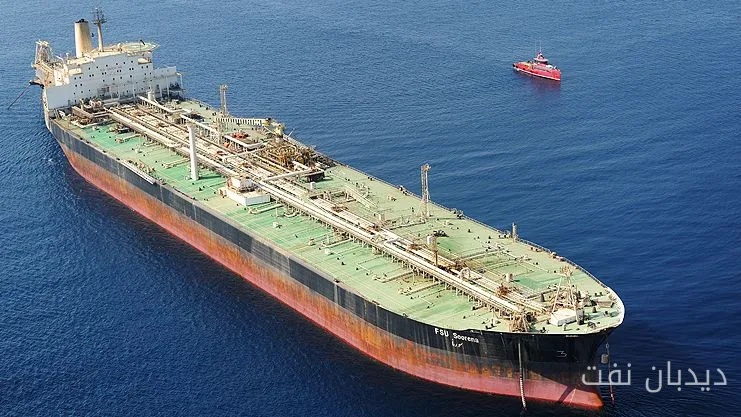
Iran is currently facing severe restrictions on its oil exports due to international sanctions. In particular, with the blockage of waterways, the country has turned to selling oil stored on ships in areas close to Malaysia and China. Meanwhile, China's purchases of oil, which historically account for 90% of Iran's oil exports, are affected by concerns over U.S. sanctions. Chinese buyers, especially from independent Shandong refineries, continue to cooperate with intermediaries due to discounts on oil prices.
Read more: New U.S. Sanctions on Iran's Railway and Banking System
Financial Mechanisms and New Challenges
However, a new economic operation called "economic expulsion operations" is rapidly infiltrating the financial networks and shell companies that these intermediaries use for their activities. Many of these companies are registered in the United Arab Emirates and were utilizing banking facilities there. However, as these companies assist in financing the Islamic Revolutionary Guard Corps (IRGC), UAE officials decided to impose stricter restrictions. In this context, the U.S. Treasury has also imposed sanctions on extensive financial networks that are centrally controlled and are known as part of the A7 network.
Given the increasing pressures, oil intermediaries, recognized as trustees, are under new attacks. For example, Hossein Samsami, a member of the Iranian parliament, criticized one trustee, claiming that 86 million barrels of oil were entrusted to a specific individual, of which only 30 million barrels were delivered to the final buyer. In fact, the remaining 56 million barrels remain ambiguous.
This situation has made it difficult for intermediaries to conduct their transactions easily by traveling outside Iran and establishing direct contacts. U.S. sanctions have impacted the air travel of Iranians and made direct communications more challenging. As a result, these intermediaries are facing serious challenges and are currently experiencing a decrease in the amount of oil available for sale.
Read more: Why the Fuel Price Difference in Iran Benefits Brokers? · Aramco's Fuel Tanks in Riyadh Targeted by Yemen Attacks