The U.S. has imposed new sanctions on Iran's rail system and the shadow banking networks associated with the country. These sanctions have become part of an economic campaign known as "Economic Exclusion Operations," aimed at increasing economic pressure on Iran in various sectors, including oil, transportation, and heavy industries.
Details of the Latest Sanctions
The U.S. Department of the Treasury, by announcing two separate actions, has expanded its sanctions beyond Iran's oil industry to focus on industrial sectors and financial networks associated with the country. These sanctions target the Islamic Republic of Iran Railways (RAI), Raja Passenger Trains Company, and freight transportation companies. These entities have been selected as primary targets in the transportation sector.
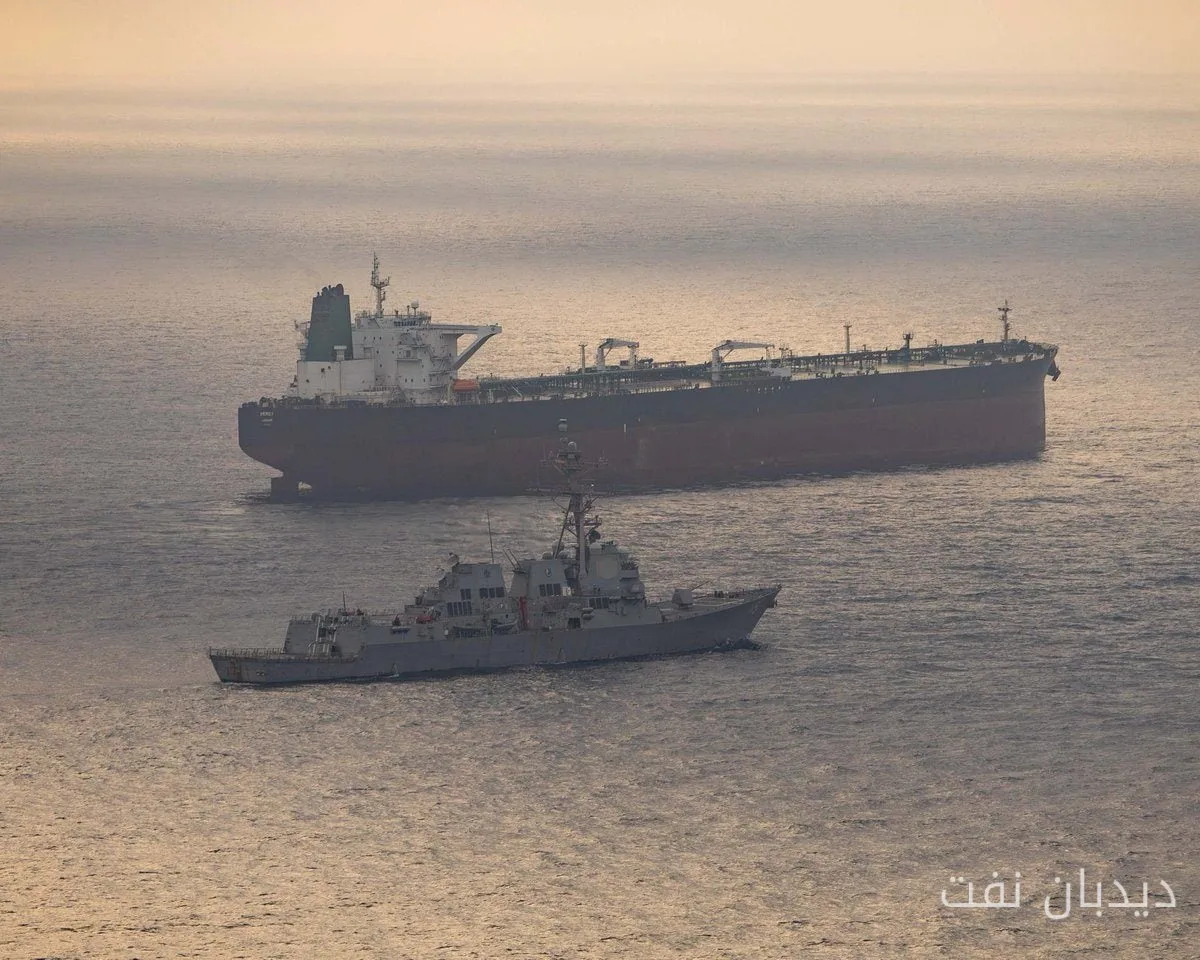
According to the Treasury Department, Iran has increasingly relied on its rail system for oil transportation and maintaining regional trade. This comes as maritime routes have been disrupted due to sanctions-related pressures.
Pressure on Heavy Industries and Automotive Sector
The sanctions also include major Iranian automotive companies such as Iran Khodro and Saipa, which hold over 90% of Iran's domestic car market. Additionally, manufacturers and suppliers of trucks, buses, and motorcycles in the United Arab Emirates, Turkey, Indonesia, and Hong Kong have also been included on this list.
The Treasury has also addressed sanctions related to the heavy industry and metal trade, targeting companies from Germany, the UAE, China, and Hong Kong that provide services to Iranian manufacturers or facilitate exports and payments.
In this context, a network linked to Iranian-Dominican trader Ramin Kashavardoust has also come under pressure, with allegations of facilitating the transfer of large quantities of Iranian steel and oil exports to this individual.
The Treasury has also increased pressure on the A7 network, which is linked to Russia, and according to officials, this network is used for money transfers, facilitating oil sales, and financing weapons.
The new sanctions clearly indicate the U.S. efforts to increase economic pressure on Iran and demonstrate how the country is seeking to reduce oil revenues and limit Iran's financial capabilities. With current restrictions on maritime transportation, the U.S. is now targeting rail networks, commercial companies, and foreign suppliers to prevent shipments and payments from bypassing these restrictions.
Ultimately, the recent actions are part of broader U.S. efforts to dry up the financial resources of the Islamic Republic of Iran. U.S. Treasury Secretary Scott Bancen has stated that the government is seeking to target the remaining financial infrastructure available to Tehran.
Read more: Issuance of a 1.7 billion rial sentence for smuggling 800 liters of fuel in Yazd · Abbas Aliabadi: Sanctions should not hinder the development of energy infrastructure