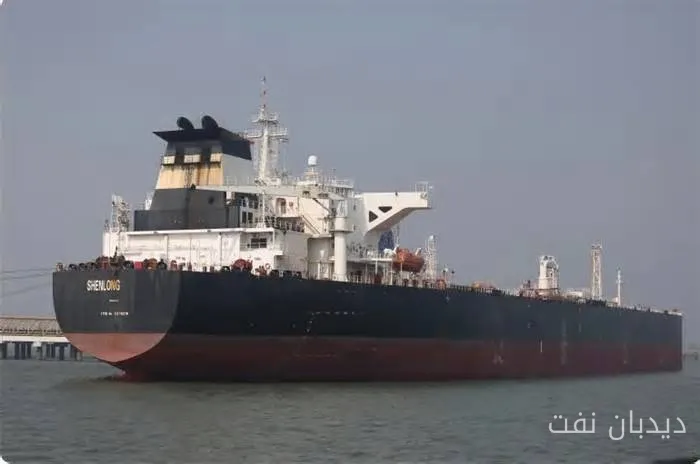
Saudi Arabia has resumed oil loading from Yanbu port on the Red Sea after restarting the East-West pipeline. This action helps improve the outlook for Middle Eastern oil exports. Loading of crude oil from this port has restarted since September ٢٢, following its closure on September ١١ due to drone attacks.
Details of oil loading from Yanbu port
The East-West pipeline, which was shut down due to attacks by Iraqi armed groups, resumed operations last Tuesday. According to reports, Saudi Aramco contacted its customers on Monday evening regarding oil transportation plans for October. A source at an Asian refinery stated that this refinery loaded a shipment from Yanbu port a few days ago.
Read more: Fugro, at the request of Petronas, conducted a deep geophysical survey in eastern Malaysia
Two separate commercial sources estimated that crude oil loading from Yanbu has been around ٢ million barrels per day since last week. The ship tracking company Kepler estimated the current flow rate through the pipeline at approximately ٢.٦٥ million barrels per day and predicts that this figure will increase to ٣ to ٤ million barrels per day in the coming days. However, returning to pre-attack production levels will take about a month.
Impact of oil exports on the global market
An increase in oil exports from Yanbu could significantly improve crude oil exports from the Middle East, especially as the U.S. war against Iran has restricted transportation through the Strait of Hormuz. According to statistics, before the war, about ٢٠% of the world's oil and liquefied natural gas passed through the Strait of Hormuz. Currently, the average volume of crude oil transported through this strait has reached about ٩ million barrels per day as of September ٢٢.
Considering the net profit from Yanbu and Fujairah, crude oil exports from the Middle East will increase to just under ٨٠% of pre-conflict levels. Additionally, crude oil loading at the port of Sidy Kerir in Egypt resumed after a ١٠-day halt on September ٢٢, although tankers are still lined up at sea due to ongoing restrictions for commercial vessels.
Read more: Iranian tanker shipment on the path to new sanctions · Saudi Arabia and the UAE support the continuation of the U.S. blockade against Iran



