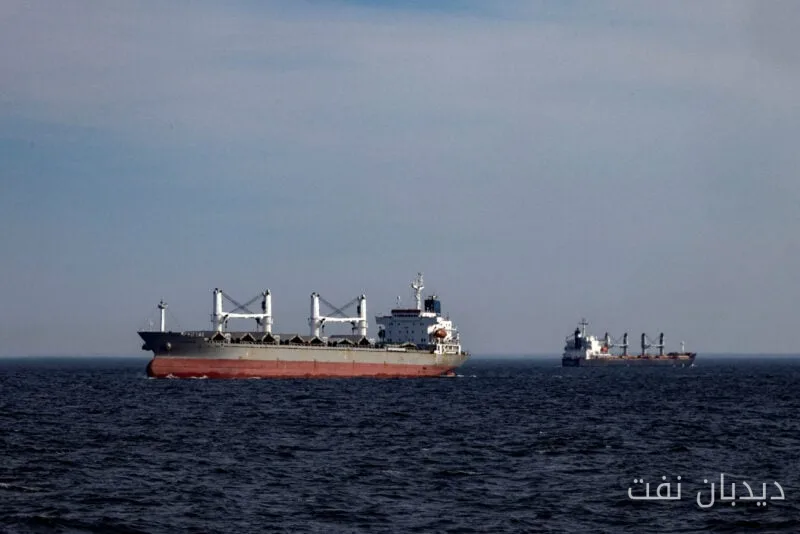
The blockade of grain export routes from the Black Sea due to sanctions and conflicts has jeopardized the food security of dependent countries. While global attention has been drawn to the Strait of Hormuz and rising oil prices, the crisis in the Black Sea could lead to increased inflation and threaten food security in vulnerable countries.
The Impact of War on Grain Exports
Russia and Ukraine together account for more than a quarter of global wheat trade. Since July 2023, with increased attacks on each other's ports, grain exports have been severely affected. Wheat prices have reached their highest level in three years, and countries dependent on these exports, such as Egypt, are facing a shortage crisis. Meanwhile, Ukraine is facing issues such as port blockades and storage shortages.
Economic Consequences and Food Security
With the decrease in grain exports, various countries are seeking new sources to meet their food needs. Some countries have turned to purchasing wheat from France and other regions such as Romania and Argentina. This comes at a time when recent droughts in the United States and crop heat stress in Europe have led to reduced production. In this situation, analysts believe that the impacts of this crisis have not been fully accounted for in financial markets.
Ultimately, the crisis in the Black Sea not only affects the food security of dependent countries but could also lead to rising prices and social conflicts on a global scale. This situation highlights the need for greater attention from the international community.
Read more: A daily shortfall of 510,000 barrels of jet fuel in Europe in the fourth quarter · Details of the investigation plan into the oil sales process and the performance of trusts