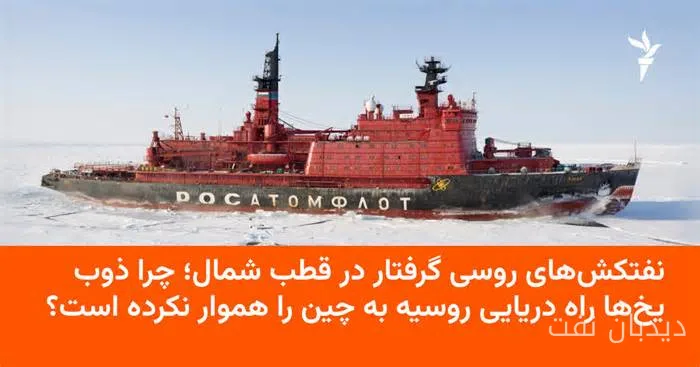
The oil shipment of 'Iran', currently on its way to Chinese ports, is facing serious challenges due to new international sanctions. These sanctions have particularly impacted Iran's oil exports and have heightened concerns about fuel supply in the global market.
Details of the Sanctions and Their Impacts
The recent sanctions have been imposed based on new decisions by the United Nations Security Council, aimed at reducing pressure on Iran's nuclear activities. These decisions have negatively affected oil tankers carrying Iranian oil shipments and have posed challenges for countries dependent on oil imports from Iran.
The sanctions have specifically targeted Iranian tankers heading to Chinese ports, resulting in serious disruptions to the oil export process to this country. Given that China is one of the largest oil importers in the world, these sanctions could have significant impacts on the global oil market.
Economic and Political Consequences
The economic consequences of these sanctions may extend beyond Iran and China, affecting other cooperating countries as well. Currently, analysts believe that these sanctions could lead to an increase in oil prices in global markets, as oil supply will decrease due to the restrictions.
Moreover, these sanctions could fuel domestic discontent in Iran, as reduced oil exports mean a decrease in the country's substantial revenues. Consequently, this issue could impact Iran's political stability and lead to new challenges in the domestic arena.
Overall, the new sanctions against the oil shipment of 'Iran' on the way to Chinese ports not only affect Iran's economy but could also have broader implications for the global oil market and political relations in the region.