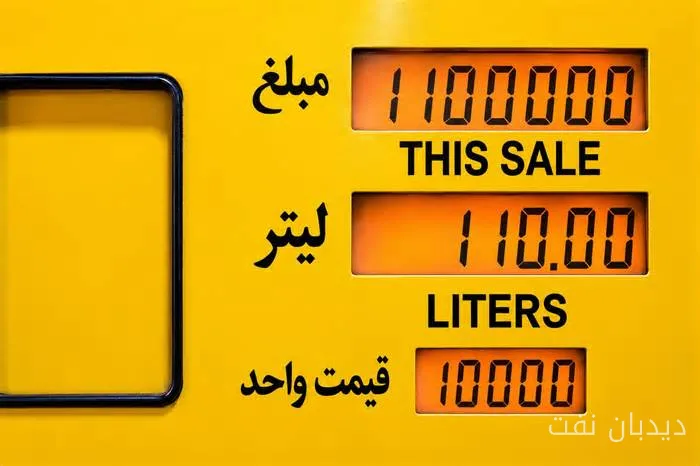
In the days we live in, gasoline prices at the pumps have risen alarmingly. This price increase is directly related to Crack Spreads, which indicate the profitability of refining crude oil into petrochemical products like gasoline and diesel. But what are Crack Spreads and why have they peaked?
Crack Spread and How to Calculate It
Crack Spreads simply show the difference between the market price of crude oil and the price of refined products. One of the most common methods for calculating Crack Spread is subtracting the price of each gallon of crude oil from the price of each gallon of refined product. For example, since May, the gasoline Crack Spread at the New York harbor has averaged about $1 per gallon higher than in 2025. At that time, this Crack Spread reached about 60 cents per gallon. This situation reflects specific market conditions and limited gasoline supply globally.
Why Have Crack Spreads Peaked?
The increase in Crack Spreads is mainly due to global gasoline supply constraints. These constraints can arise from factors such as reduced crude oil production, supply chain disruptions, and increased demand in certain seasons. In this situation, refineries face greater challenges, leading to increased prices for gasoline and other refined products. This issue not only impacts consumer costs but can also lead to rising inflation rates.
For this reason, now more than ever, we need to pay attention to how global developments affect the energy market and consequently our daily lives. With these rising prices, the question is whether consumers should expect price reductions or prepare for higher costs?