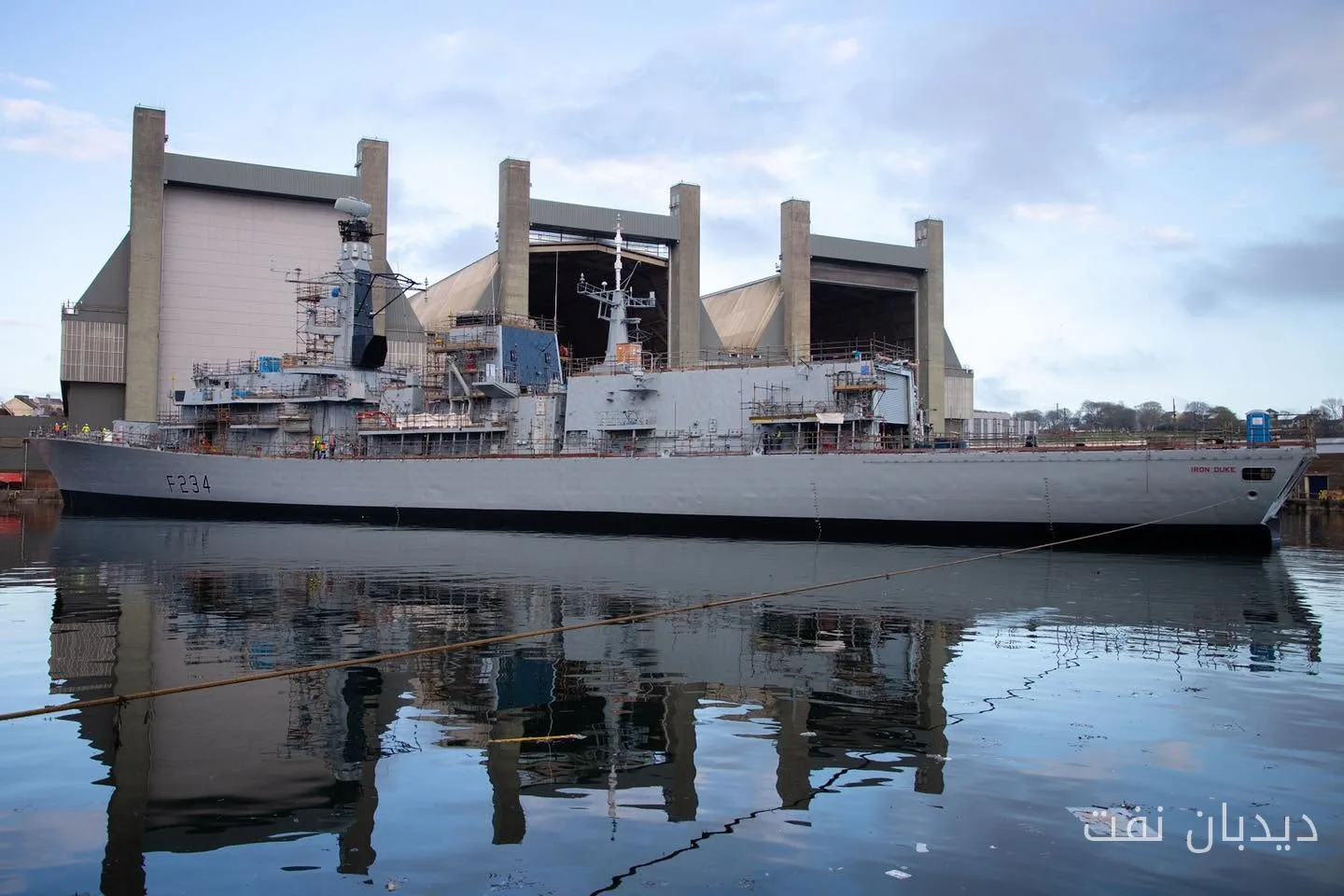
The Royal Navy is in a critical situation, with budget shortages and a lack of tax allocation for defense severely impacting its operational capabilities. While John Healey's resignation as Defense Secretary was expected to lead to an increase in defense funding, no tangible actions have been taken in this regard.
Resource Shortages and Their Impacts
Budget shortages, particularly in the Navy, have resulted in delays in the delivery of new equipment and a reduction in training programs and ammunition purchases. The Navy, as one of the main pillars of Britain's defense, has been severely affected by this shortfall, and it appears that there are no operational submarines available to defend Britain's ballistic missile submarines. This situation increases the threats posed by Russia and other adversaries.
Read more: China's Navy Unveils Type-726 Hovercraft Training Vessel
Status of the Navy Fleet
Out of a total of seven Astute-class submarines, only one submarine is currently under construction, and three other submarines are non-operational at Faslane naval base. Additionally, two other submarines are undergoing maintenance and repairs, and one submarine is in the sea trial phase. This situation reflects the Navy's inability to meet its operational needs.
The fleet of destroyers and warships has also suffered a significant reduction in capabilities. The fleet of upgraded Daring-class destroyers has improved, but only three out of six destroyers are currently operational, which represents a serious vulnerability against missile threats.
Given the current situation, the Royal Navy is expected to face serious challenges in securing funding and equipment in the coming years, and this issue will negatively impact Britain's national security.
Read more: Rouhalamin Saidi: The Missile and Naval Capabilities of the Islamic Republic Have Been Weakened · Army Spokesman: Iranian Order Has Dominated the Strait of Hormuz