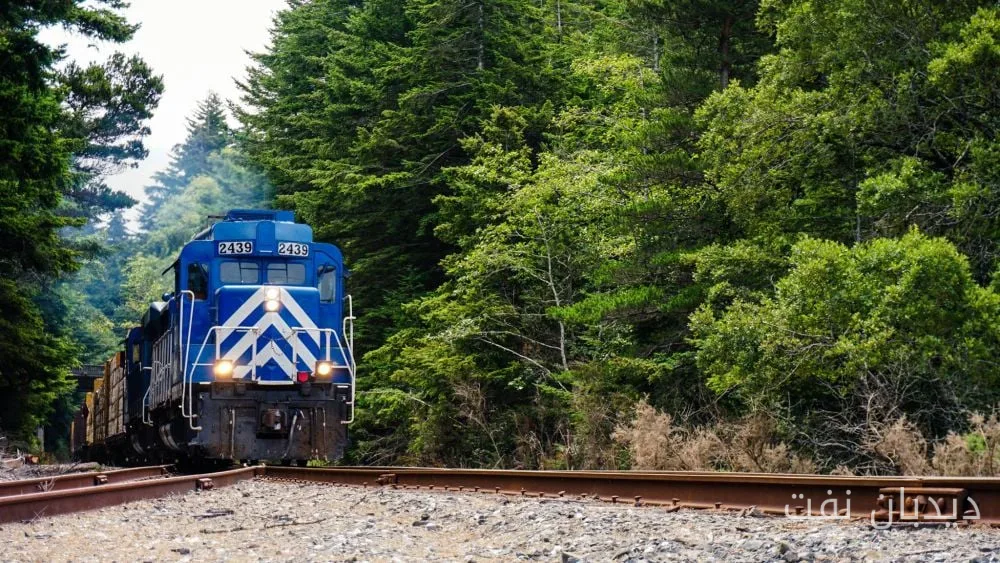
Coos Bay (Coos Bay) in the state of Oregon has received a federal grant of $205 million from the U.S. Department of Transportation. This grant is allocated to enhance the Coos Bay rail line, which connects this small port to Class I rail services on the other side of the Oregon mountains. This project is funded under the Consolidated Rail Infrastructure and Safety Improvements (CRISI) program of the Department of Transportation and has the support of Oregon's congressional representatives.
Project Goals and Economic Implications
Upon completion of this project, Coos Bay will be recognized as part of its plans to construct a $2.3 billion container terminal with intermodal rail connections. This terminal will be the only saltwater facility of its kind between the Bay Area and Seattle. Senator Jeff Merkley from Oregon has stated about this project: "This grant brings us closer to transforming Coos Bay into the first fully ship-to-rail port facility on the West Coast. This is a historic moment for our region and state."
Read more: Governor of Qom Emphasizes Reforming Energy Consumption Patterns
Infrastructure Development and Future Projects
This grant is in addition to an $11 million grant from the Port Infrastructure Development Program (PIDP) that was allocated for other work on the rail line earlier this year. Transportation officials have recently emphasized the potential to combine PIDP, CRISI, and other funding sources to support larger projects like the Coos Bay container terminal. If constructed, this port could serve as an alternative to the ports of Prince Rupert, Vancouver, Seattle, Oakland, or Los Angeles/Long Beach.
The proposed container terminal on the Pacific coast will be capable of handling Neopanamax containers up to 13,000 TEU in size. Additionally, this project will help build a dedicated container terminal for shipping to domestic consumers, catering to the needs of large retail customers. Achieving this will require approximately eight feet of vertical dredging (from 37 feet to 45 feet) and a 150-foot channel expansion from the harbor entrance to eight miles inland.
Read more: Farshad Ebrahimpour Emphasizes the Impact of the Closure of the Strait of Hormuz on the U.S. Economy · Georgia Ports Authority Receives Permit to Build $2.3 Billion Container Terminal in Savannah



