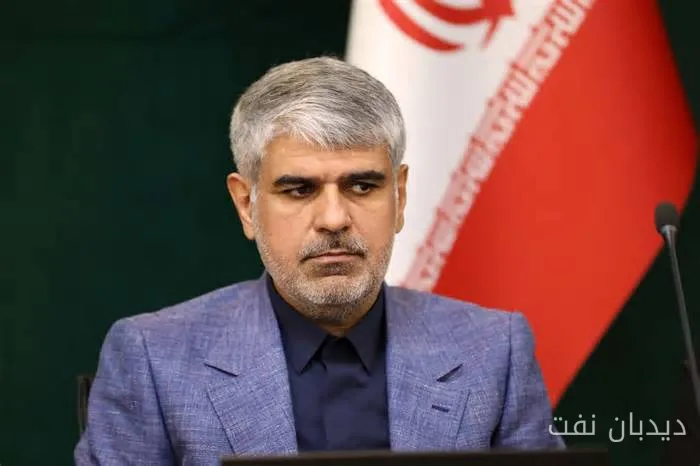
Farshad Ebrahimpour, a member of the Islamic Consultative Assembly, in his recent remarks referred to the key role of oil in global equations and stated: "Controlling the flow of oil and energy is one of the main pillars of the global dominance system led by the United States." These statements reflect the strategic importance of oil in global powers and America's efforts to maintain its position as a superpower.
The Role of Oil in Global Equations
Ebrahimpour, referring to the history of oil, said: "Oil has flowed like blood in the veins of industry since the Industrial Revolution." He added: "Controlling oil means dominating a significant part of the production and economic cycle of the world." This statement highlights the strategic importance of oil and energy in global equations and emphasizes America's efforts to maintain its position.
Read more: Energy consumption management in Zanjan helps sustain industrial production
The Impact of Closing the Strait of Hormuz on the U.S. Economy
Ebrahimpour continued by addressing the impact of closing the Strait of Hormuz and the disruption in oil transfer, stating: "This action has imposed heavy costs on the United States." According to his remarks, the closure of this strait, which is one of the main routes for oil transfer, has led to increased energy prices and greater economic pressure on the U.S. This issue has also affected the balance of global powers and has facilitated the strengthening of China's position against the U.S.
He also referred to the approximately $40 trillion debt of the U.S. and said: "The increase in oil prices, along with this country's heavy debt, has made the economic conditions of the U.S. more difficult." Problems in the banking system and rising interest rates exert additional pressure on the U.S. economy, and the continuation of this trend could exacerbate the economic crises in the country.
Ebrahimpour emphasized: "The U.S. must reduce economic pressures by bringing oil prices back to pre-war levels, but the current conditions and disruptions in energy transfer from the Strait of Hormuz make this goal difficult to achieve." This point indicates that the closure of the Strait of Hormuz has acted as an influential tool in changing economic equations and exerting pressure on global powers.
Ultimately, Ebrahimpour stressed: "The developments in the Strait of Hormuz show that disruptions in energy transfer can become an effective tool in changing economic equations, and the U.S. will not be safe from the consequences of this situation." These remarks emphasize the strategic importance of the Strait of Hormuz in global equations and its impact on the U.S. economy.
Read more: Amer Shipping and Van de Graaf entered into a new collaboration in Belgium · Economic analyst: Agreement to lift sanctions is key to the Strait of Hormuz crisis