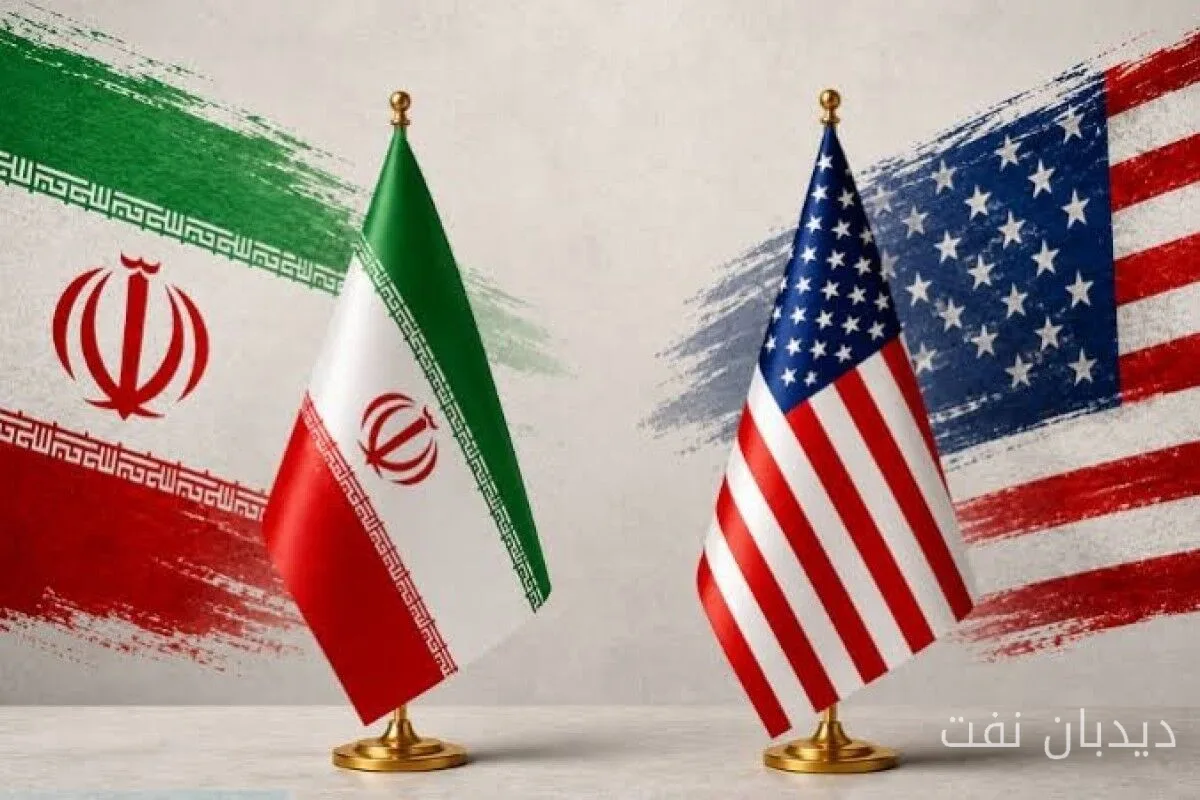
Informed sources announced that efforts are expected to yield a breakthrough in negotiations between the United States and Iran this week, as part of ongoing mediation efforts by Qatar and Pakistan to reduce tensions.
Continuation of Tensions and Mediation Efforts
These sources, who remain anonymous, emphasized that efforts to reduce differences and encourage both sides to make mutual concessions are ongoing. Despite the continued threatening rhetoric from Washington and Tehran, there is a possibility of avoiding escalation of tensions at this time.
Read more: Houthi Attacks on Saudi Arabia to Pressure Mohammed bin Salman
Positions of Both Sides and Points of Disagreement
U.S. Secretary of Defense Lloyd Austin recently referred to Iran's nuclear ambitions and warned that if Tehran continues its nuclear goals, it will face severe consequences. On the other hand, Abbas Araqchi, Iran's Foreign Minister, accused Benjamin Netanyahu, the Prime Minister of Israel, of trying to drag the United States into a new war with Iran.
Araqchi emphasized Iran's commitment to a proposal under which the Strait of Hormuz would be reopened within seven days, provided that Washington responds to Iran's demands. These demands include lifting the blockade on ports and reducing restrictions on oil exports.
News reports indicate that one of the main points of contention is Washington's insistence on placing Iran's nuclear program at the forefront of negotiations. In contrast, Iran emphasizes the reopening of the Strait of Hormuz and addressing economic restrictions.
Qatar and Pakistan's diplomatic efforts to bridge the views continue, but there are political and security obstacles in the way. Concerns about the consequences of the closure of the Strait of Hormuz and disruptions in global energy supply are also increasing.
Reports suggest that General Asim Munir, the Chief of Army Staff of Pakistan, may visit Tehran this week. This visit could take place within the framework of ongoing cooperation between the two countries and regional developments.
The Strait of Hormuz, as one of the most critical focal points of the current crisis, holds a vital position in global oil and natural gas trade, and its reopening could serve as a starting point for reducing tensions.
Read more: Houthi Attacks on Saudi Arabia Indicate the Military Limitations of This Country · Trump Administration Considering the Return of Russian Gas to the European Market