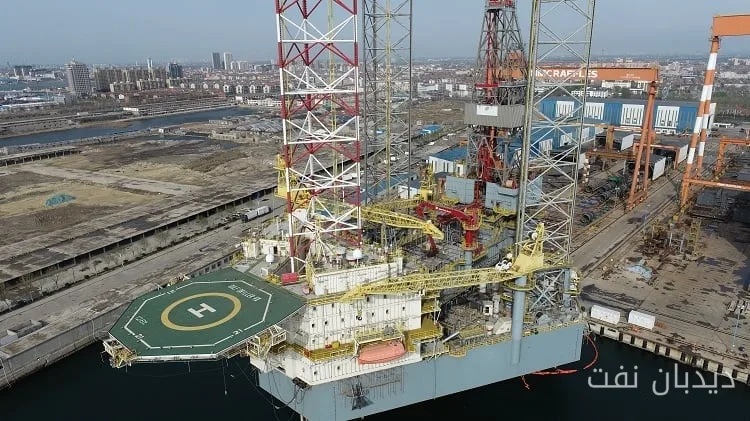
On November 6, 2023, oil tankers have encountered new sanctions in the path of Iran's oil exports. These sanctions have particularly affected oil shipments being sent from Iran's oil fields to global markets. Large tankers such as MT FALCON and MT HORIZON are facing serious restrictions on this route, which could impact the volume of Iran's oil exports.
Details of the Sanctions and Their Impacts
The new sanctions, which specifically target the financing and insurance of oil tankers, have led to increased transportation costs and delivery times for oil to customers. Additionally, the inability to secure adequate insurance for the tankers has reduced shipping companies' willingness to cooperate with Iranian tankers. This situation has not only negatively impacted oil exports but could also lead to a decrease in the government's tax revenues.
Read more: ADES has purchased a shipment of 5 jack-up oil tankers from Saipem in Saudi Arabia
Economic and Political Challenges
The challenges arising from these sanctions could lead to a decrease in oil revenues and consequently a reduction in the government's public budget. Especially at a time when Iran is dependent on oil revenues to cover its current expenses, these sanctions could increase economic pressure on the people and government institutions. Furthermore, this situation could be a driving force for changes in Iran's business strategies, as the government may seek new ways to circumvent sanctions and increase oil exports.
Overall, the new sanctions on oil tankers and Iran's oil shipments reflect the ongoing challenges this country faces in terms of oil exports and financing. These conditions could have long-term impacts on Iran's economic and trade policies and require special attention from the relevant authorities.
Read more: Explosion of the super tanker 'Alghaya' due to collision with a sea mine in the Strait of Hormuz · Iran has expanded the blacklist of tankers to 77 carriers