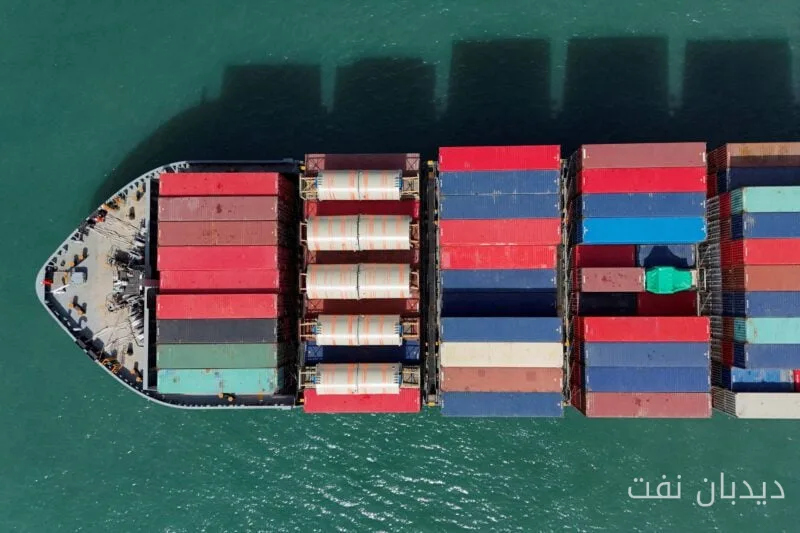
A new analysis of the impact of liberalization tariffs on global trade shows that despite multiple challenges, this sector continues to grow. According to new data, U.S. container imports reached 2.6 million TEU in August, marking the third highest monthly record in history.
Trade in Critical Conditions
Global trade has always continued on its path in the face of challenges and disruptions. Descartes data indicates that since 2000, more than twelve major disruptions have occurred in global trade, yet none have managed to halt its growth trend. This reflects the resilience and adaptability of business strategies that have developed over time.
Read more: Taiwan Tests Anti-Ship Missile Capability from Coastal Patrol Boats
Changes in the Supply Chain
According to analyses by Jackson Wood, Vice President of Trade Regulations at Descartes, organizations have been forced to change how they manage disruptions and collaborate with suppliers and distributors. He emphasizes that today, reciprocal and team-based approaches in organizations are essential to tackle challenges. These changes have particularly arisen following liberalization tariffs and the impacts of the Iran war, as well as the situation in the Panama Canal due to the El Niño phenomenon.
Despite a 4.3% decline in U.S. container imports in the year following the liberation day, exports from Vietnam, Thailand, and Indonesia have grown, indicating that supply chains have adapted well to these changes. However, this adaptation has not fully compensated for the overall decline.
Currently, despite new disruptions, companies are seeking ways to secure resources and improve their supply chains. This issue becomes even more critical in a context where prices and tariffs are constantly changing. Many companies are opting to hold onto financial refunds instead of returning them, to prepare for future disruptions.
The Future of Global Trade
Given the significant growth of global trade even in adverse conditions, many industry players believe that resilience and adaptability will be the keys to success in the future. Brian Kobza, Chief Commercial Officer at IMC Logistics, notes that retailers are quickly responding to changes and are prepared for the fourth quarter of the year.
As a result, it seems that despite ongoing challenges, global trade will continue on its path and grow by adopting innovative and adaptive strategies.
Read more: The Impact of ISO 14060 Standard on Transparency of Net Zero Goals in the Shipping Industry · The United States Seeks to Reduce Iran's Trade Relations with Central Asian Countries



