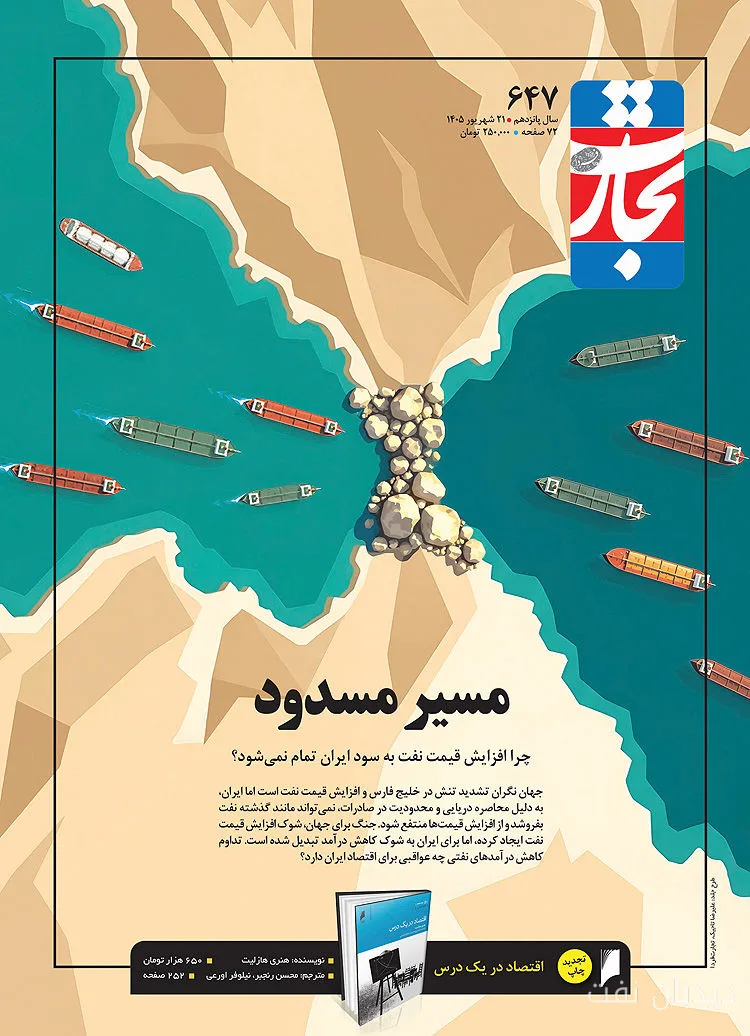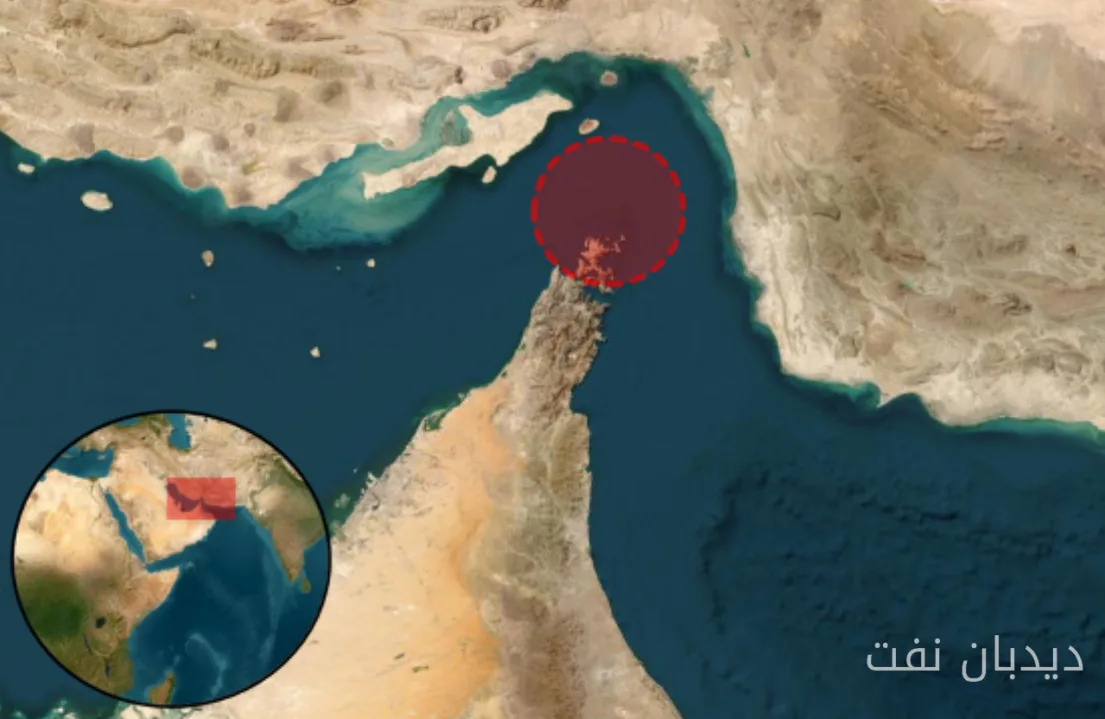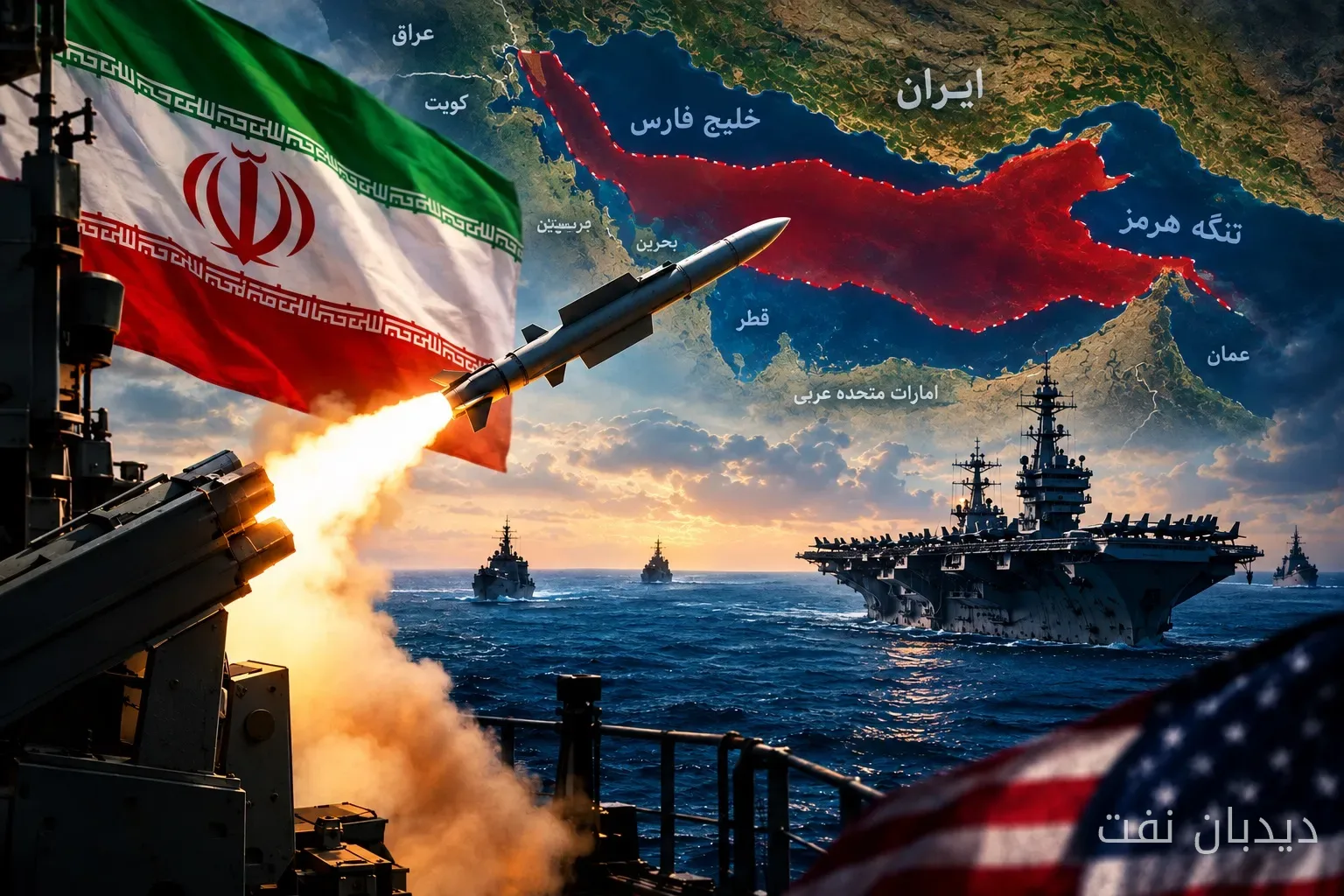
Iran's maritime exclusion zone, as a bane to the Pentagon, has entered a new phase in the equation of American pressure in the Persian Gulf. In this back-and-forth, Mohsen Rezaei, as one of the key military figures in the country, has spoken about the practical blockage of the Strait of Hormuz and the successful testing of Iran's military capabilities.
New Reports and Military Developments
In recent days, Iran has demonstrated through military maneuvers and advanced system tests that it will no longer easily allow the Pentagon to operate freely in the Persian Gulf. These developments have not only helped increase Iran's military capability but also reflect the country's firm resolve to defend its interests.
Mohsen Rezaei pointed out in his remarks that Iran is fully prepared to respond to any threats in this strategic region. These statements clearly indicate a shift in Iran's approach towards a stronger deterrent policy.
Impact on Regional Equations
Given the recent changes, it seems that the Pentagon is trying to maintain its control over the Persian Gulf, but with Iran's new policies, this control has become a serious challenge. The blockage of the Strait of Hormuz could have significant economic and political repercussions for countries dependent on crude oil from this region.
Following these developments, it is expected that the United States and other Western countries, especially in the fields of diplomacy and military, will adopt new measures. But will these measures be able to stop Iran's pressures? This is a question that will be answered in the coming days.