In recent days, maritime tensions between the U.S. and Iran have reached a new point. Both sides continue to exchange maritime attacks, but it seems that the scale of these attacks has diminished. This situation reflects greater reflection and caution on the part of the U.S. following Iran's reactions.
De-escalation or Strategic Shift?
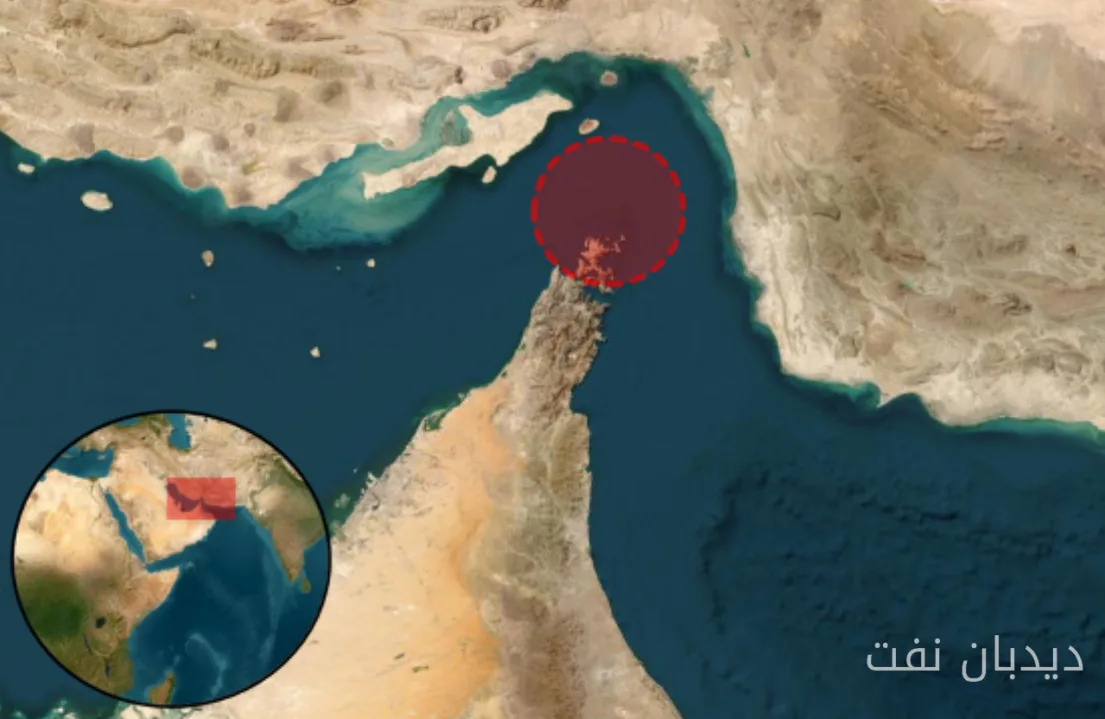
Although U.S. and Iranian forces are pursuing their interests in the waters of the Persian Gulf, recent attacks on Iranian oil tankers are being carried out in a less extensive and smaller scale. This change in approach may indicate the U.S.'s willingness to de-escalate tensions while being concerned about Iran's more severe reactions.
In recent weeks, we have witnessed attacks on Iranian oil tankers as well as reciprocal responses from Iranian forces. This exchange of attacks, although continuing in a more limited manner than before, is still seen as a dangerous sign of increasing tensions in the region.
Future Outlook
Given that both sides are seeking to protect their interests, it seems likely that we will continue to witness this type of conflict in the near future. However, considering the recent changes in U.S. behavior, new strategies and tactics may also come into play. This could have profound effects on the global oil market and maritime security.
In any case, this trend indicates an unstable situation in the Persian Gulf that could easily escalate into larger conflicts. Meanwhile, there are many questions about the future of Iran-U.S. relations and the impacts of these tensions on the global economy.