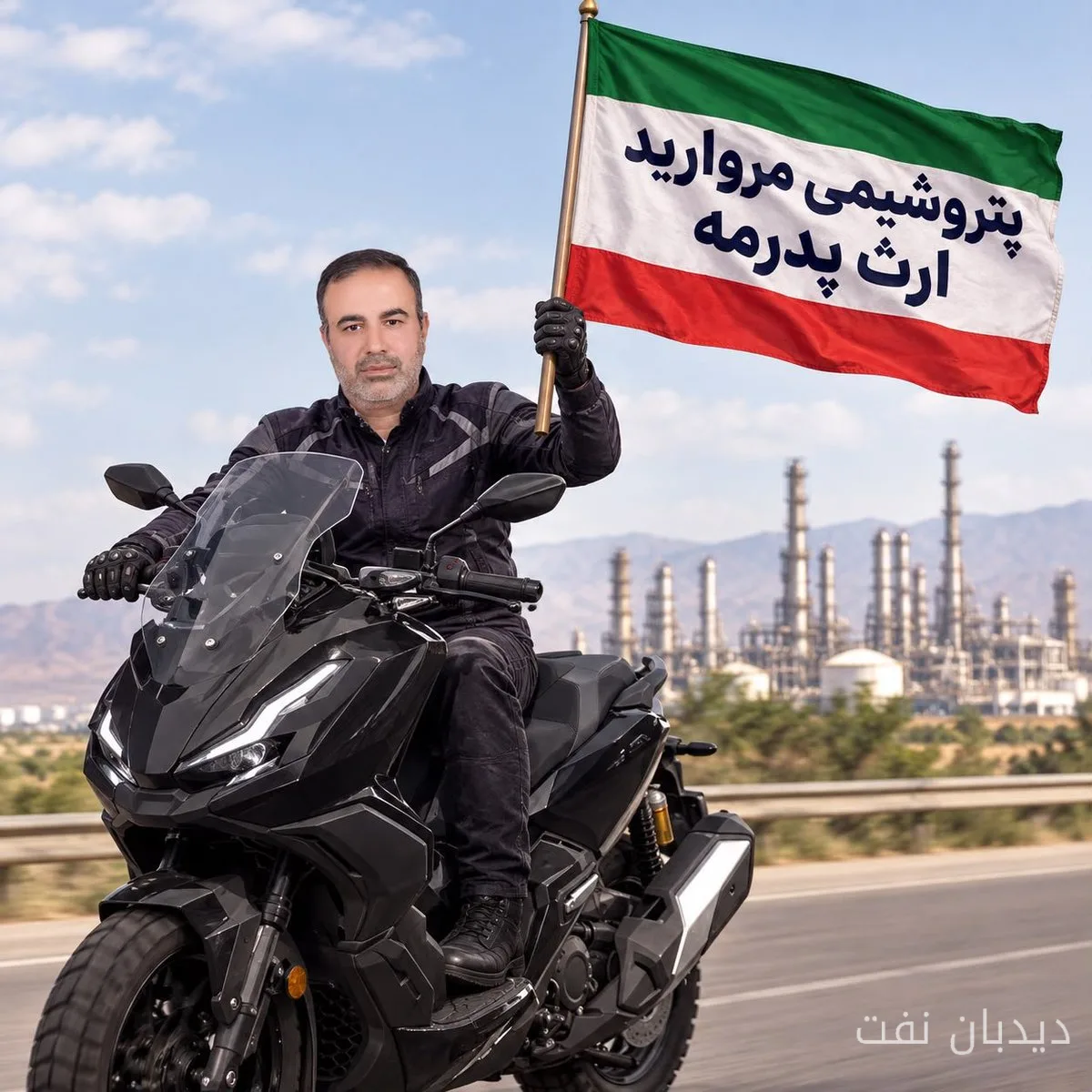
While the Judiciary has officially announced that it will deal with "high-profile" individuals in the Dabsheh tea case, Mohammad Beigadli, one of the main defendants in this case, was seen yesterday near Tehran Mosalla. This sighting clearly raises questions about the manner of handling and legal follow-ups against the defendants.
Serious Questions About the Implementation of Promises
Beigadli's presence in a public place and in a manner that indicates a lack of concern for legal consequences has raised significant worries about the Judiciary's seriousness in dealing with the defendants in this case. In a situation where society expects defendants to be pursued legally with seriousness, such behaviors can lead to a sense of public distrust towards judicial institutions.
The Dabsheh tea case, recognized as one of the major corruption cases in the country, has attracted considerable attention due to its extensive dimensions and complex connections. However, the sighting of accused individuals in public places without any concern for legal repercussions raises the question of whether the Judiciary is genuinely pursuing its promises or if this matter remains merely a declaration.
In this regard, there is a need for greater transparency and accountability from the relevant institutions. Society expects judicial bodies to seriously and continuously address officials accused of corruption and to prevent the emergence of such concerns. Otherwise, the lack of effective action could lead to negative consequences for the credibility of judicial institutions and public trust.