Mohammad Baqer Zolqadr, political advisor to Mojtaba Khamenei, stated on Thursday, September 17, 2023, that the Strait of Hormuz will not be opened until Donald Trump and Benjamin Netanyahu are "overthrown" from power. These remarks come amid ongoing tensions between the Islamic Republic and Israel and reflect Tehran's firm stance against political and military pressures from the West, particularly the United States and Israel.
Continuation of Tensions and the Conditions of the Islamic Republic
Zolqadr described the continued closure of the Strait of Hormuz as part of what the Islamic Republic calls "revenge" for the killing of Ali Khamenei and other victims of the war. These remarks also refer to a set of political and military conditions related to the reopening of this strategic waterway. Iranian domestic media have widely covered these statements, highlighting the strategic importance of the Strait of Hormuz for the Islamic Republic.
Read more: Trump's Government in Ireland: Talks and Golf Awaiting the President
Israel's Position and the Overthrow of the Iranian Government
On the other hand, Benjamin Netanyahu, the Prime Minister of Israel, stated to the staff of the country's internal security service, Shin Bet, that Israel's actions against the Islamic Republic are not yet over and the goal of overthrowing the Iranian government remains on the agenda. He also stated that the Islamic Republic's ability and that of its proxy forces to carry out their threats has significantly decreased, but Israel still has "work to complete." These positions come in the wake of recent statements by Israeli officials regarding regime change in Iran.
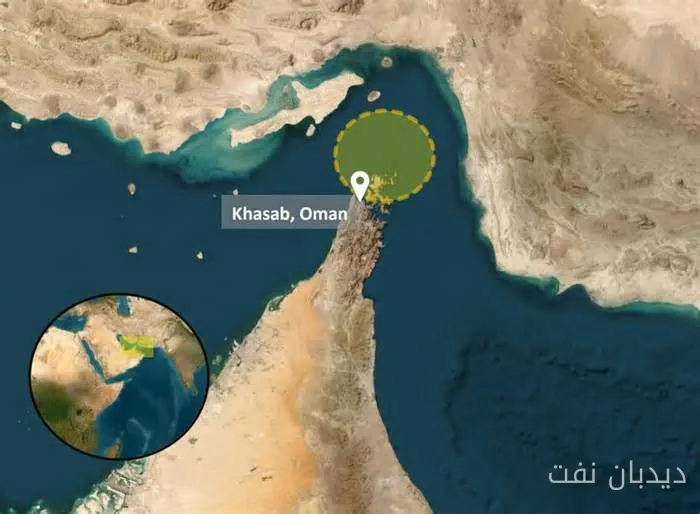
Currently, the crisis in the Strait of Hormuz is considered one of the most important focal points of confrontation between the Islamic Republic and the United States and Israel. The Islamic Republic has previously conditioned the reopening of this strategic route on a change in Washington's policy and the end of the war. This situation reflects serious challenges regarding energy security in the region and could have significant impacts on global energy markets.
The Strait of Hormuz, as a vital passage for the transfer of oil and gas to global markets, has always been in the international spotlight. The closure of this waterway could lead to an increase in oil prices and economic unrest globally, which in turn will fuel further tensions in international relations.
Read more: Iran's Influence Expansion: Occupation of the Strategic Perm Island in the Red Sea · New Shipment of Heavy Tankers Sent to the Arctic LNG 2 Project in Russia